WELCOME TO EVERYDAY STYLE MADE SIMPLE
Where to Stay in Tokyo: A First-Timer’s Neighborhood Guide
I still remember sitting cross-legged on my apartment floor at 1 a.m., seventeen browser tabs deep, trying to figure out where to stay in Tokyo for my first trip. Every neighborhood sounded amazing and completely different, and I had this low-key panic that I’d book the “wrong” area and spend my whole trip on trains. If you’ve been there, scrolling until the names all blur together, I promise it’s simpler than it looks. After my own first visit (and a lot of notes I wish someone had handed me beforehand), here’s the real, honest version: Tokyo is huge, but you really only need to match one neighborhood to how you like to travel. Below, I’ve broken down the best areas to stay in Tokyo for first-timers, which one suits each, and the kind of trip you’ll have in each. Wherever you land, you can browse live availability and compare rates on Rakuten Travel as you read.
Tokyo neighborhoods at a glance
If you want the short answer, here are my quick picks depending on your travel style:
- Best for first-timers and convenience: Shinjuku
- Best for trendy, walkable energy: Shibuya
- Best for a high-end, refined stay: Ginza
- Best for old-Tokyo charm and value: Asakusa
Best for easy day trips and bullet-train access: Tokyo Station / Marunouchi
Best areas to stay in Tokyo, compared
| Neighborhood | Best for | The vibe | Main station |
| Shinjuku | First-timers, transit access | Bright, busy, endless dining | Shinjuku Station |
| Shibuya | Shopping, nightlife, walkability | Young, trendy, high-energy | Shibuya Station |
| Ginza | Refined, slower-paced stays | Polished, upscale, quiet evenings | Ginza / Tokyo Station |
| Asakusa | Culture, value, traditional feel | Historic, low-rise, local | Asakusa Station |
| Tokyo Station / Marunouchi | Day trips, Shinkansen access | Sleek, central, business-leaning | Tokyo Station |
Check live nightly rates on Rakuten Travel, since they shift a lot by season and cherry-blossom timing.
1. Shinjuku: where I’d send a first-timer
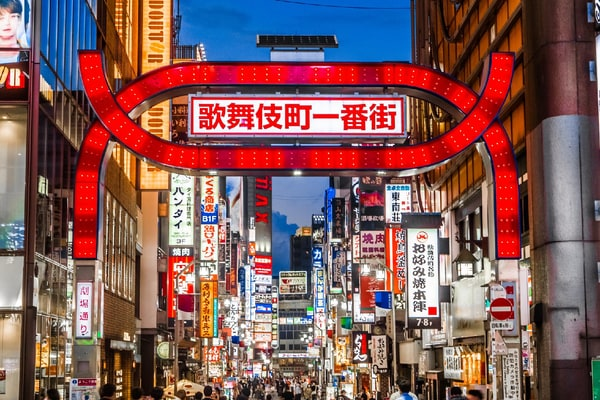
If you’re only going to read one section, make it this one. Shinjuku is the area I recommend most for a first trip, mostly because it makes everything else easier. The station is one of the busiest in the world, which sounds intimidating but actually means you can reach almost anywhere in the city without much planning. When I was jet-lagged and useless on day one, being a short walk from a major hub felt like a small miracle.
It’s also the neighborhood that never seems to close. Tiny ramen counters, department stores, the lantern-lit alleys of Omoide Yokocho, and the quiet green of Shinjuku Gyoen are all within reach. The trade-off is that it’s loud and very stimulating, so if you’re a light sleeper, look for a room on a higher floor away from the main streets.
Best for: First-time visitors who want maximum convenience.
Who it suits: Anyone nervous about getting around, plus night owls and big-city lovers.
Travel tip: Pick a hotel within a 7 to 10 minute walk of Shinjuku Station and confirm which exit it’s near. The station is enormous, and the right exit saves you real time.
Source: Travel Rakuten
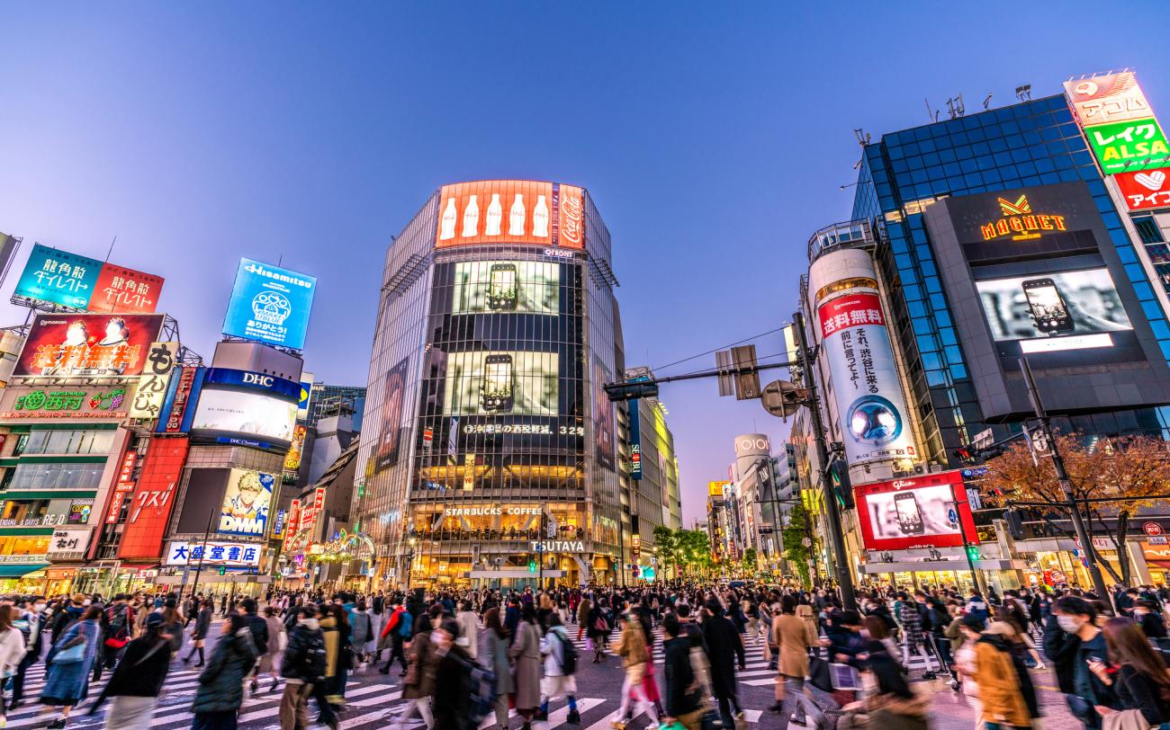
2. Shibuya: for the trendy, walk-everywhere trip
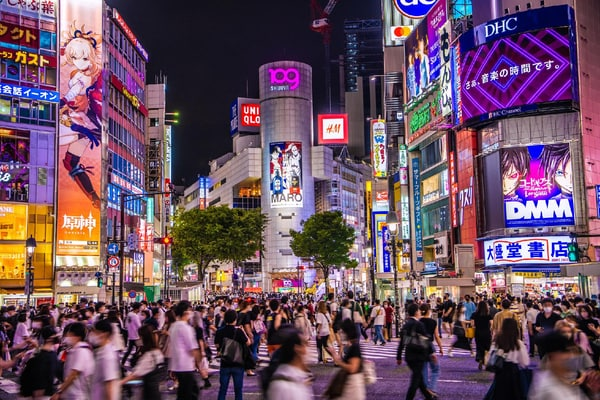
Shibuya is where I’d stay if I wanted my trip to feel young and fast and a little cinematic. This is the home of the famous scramble crossing, plus some of the best shopping, coffee, and people-watching in the city. On my second trip I based myself here, and I loved being able to roll out of the hotel and straight into the buzz.
It’s compact and genuinely walkable, with neighboring Harajuku and Omotesando an easy stroll away for vintage shops and tree-lined boulevards. The main thing to know is that the area around the station gets crowded and stays lively late, so it leans more energetic than restful. That’s a plus if it’s what you came for.
Best for: Shoppers, foodies, and travelers who like being in the middle of it all.
Who it suits: Younger travelers and anyone who’d rather walk than train-hop.
Travel tip: Stay slightly uphill toward Tomigaya or Shoto for quieter streets that are still minutes from the action.
Source: Travel Rakuten
3. Ginza: a calmer, more polished home base
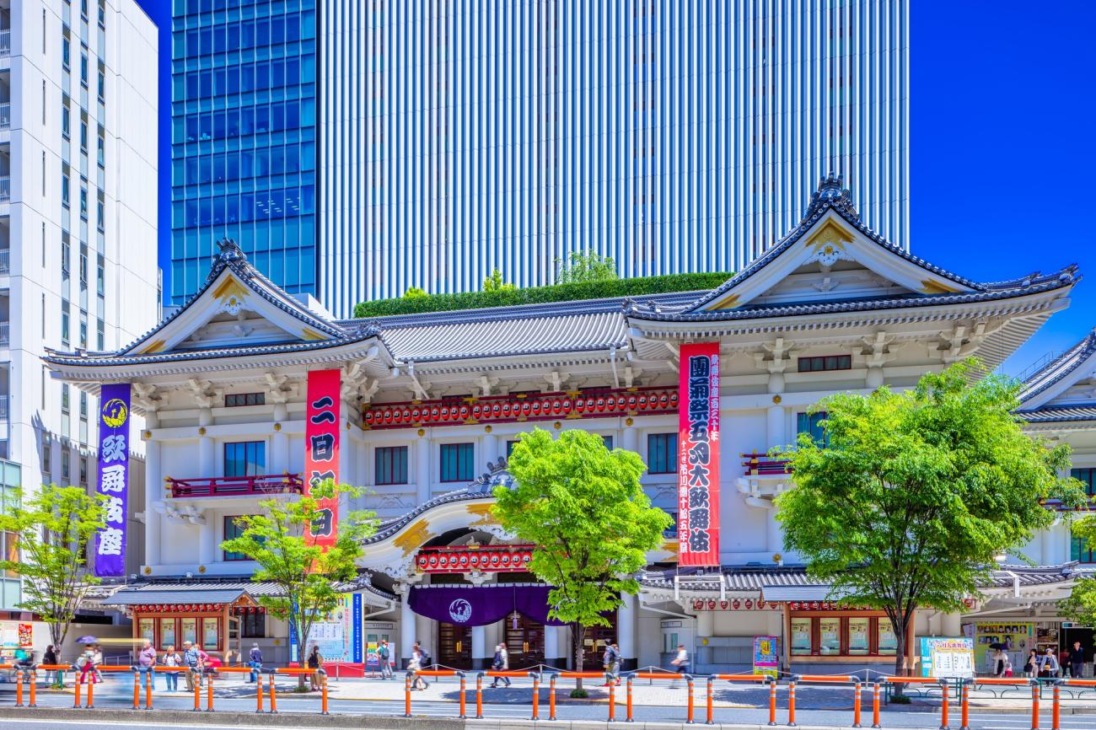
Ginza surprised me. I expected it to feel stiff, and instead it felt like the part of Tokyo where you can exhale. The avenues are wide, the evenings are quieter, and it’s beautifully central without the sensory overload of Shinjuku or Shibuya. If you want a refined trip with great food and a short walk to Tokyo Station, this is a lovely choice.
It’s known for upscale shopping and some of the city’s best dining, but you don’t have to spend a fortune to enjoy it. I had some of my favorite meals at small spots tucked off the main strip. The honest downside is that it’s pricier on average, and it can feel a touch sleepy at night compared to other areas.
Best for: Couples, slower-paced travelers, and anyone who values calm evenings.
Who it suits: Visitors who want central but quiet, with easy access to Tokyo Station.
Travel tip: Visit on a Sunday afternoon when the main street becomes a pedestrian zone. It’s a completely different, lovely energy.
Source: Travel Rakuten
4. Asakusa: old-Tokyo charm and the best value
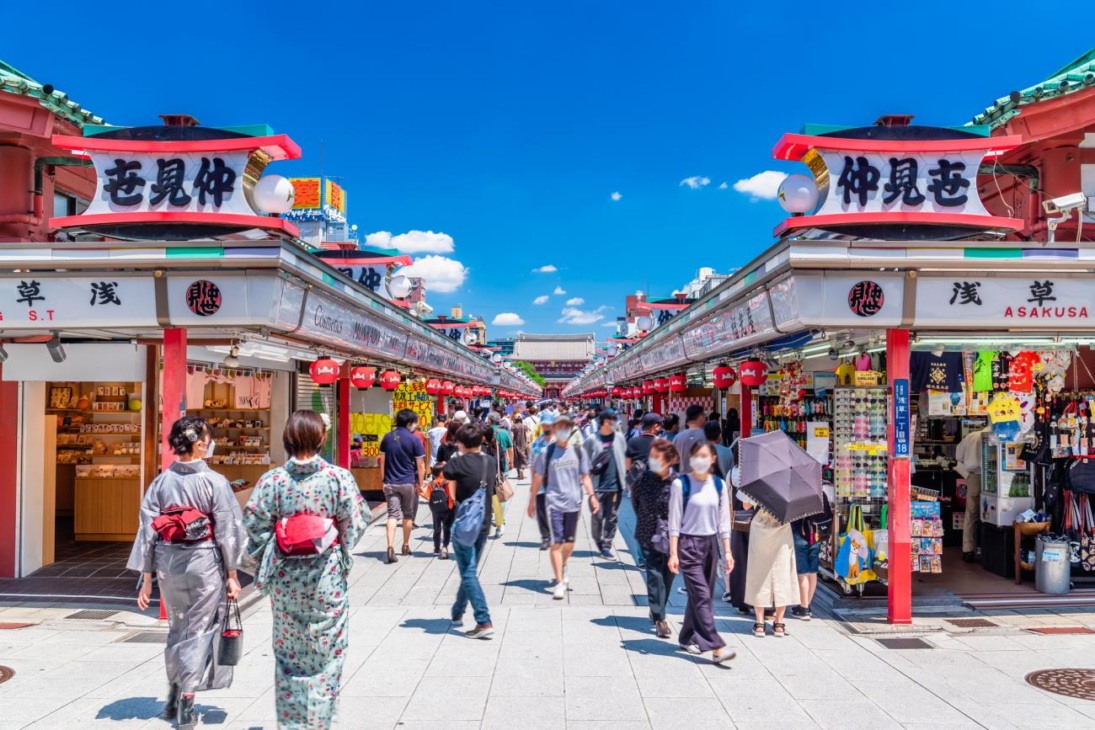
Asakusa is the neighborhood I’d pick if I wanted my trip to feel a little more traditional and a lot more affordable. It’s home to Senso-ji, Tokyo’s oldest temple, plus old-school snack streets and a low-rise, lived-in feel you don’t get in the glossier districts. Mornings here, before the crowds arrive, are something I think about often.
Because it sits a bit east of the main hubs, you’ll spend slightly more time on trains to reach places like Shibuya. For me that was a fair trade for the atmosphere and the lower nightly rates, and the riverside walks toward Tokyo Skytree are worth it. It’s a great pick if your budget is the priority and you don’t mind a short commute.
Best for: Budget-conscious travelers who want character and culture.
Who it suits: Anyone craving traditional Tokyo and early-morning temple visits.
Travel tip: Go to Senso-ji at opening time. The same lane that’s shoulder-to-shoulder by noon is peaceful at 7 a.m.
Source: Travel Rakuten
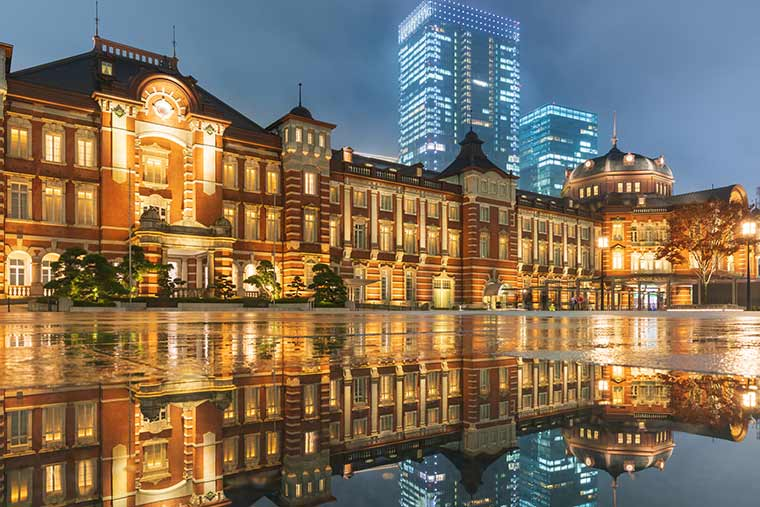
5. Tokyo Station / Marunouchi: best for day trips
If your trip includes day trips to Kyoto, Hakone, or anywhere reached by bullet train, basing yourself near Tokyo Station is the smart move. Marunouchi, the polished district around it, is sleek and central, and rolling your suitcase straight onto a Shinkansen platform is genuinely satisfying. I stayed here on a trip with a packed day-trip schedule and saved myself so much morning stress.
The area leans a little business-like and quiets down at night, so it’s more functional than atmospheric. But it’s spotless, well-connected, and steps from Ginza, so you’re never far from a good meal or a stroll.
Best for: Travelers planning multiple-day trips by Shinkansen.
Who it suits: Anyone prioritizing transit efficiency over nightlife.
Travel tip: Look for a hotel on the Yaesu or Marunouchi side and confirm it’s within walking distance of the Shinkansen gates, not just “near the station.”
Source: Travel Rakuten
What to look for when choosing where to stay in Tokyo
A few things mattered far more than I expected once I was actually there:
- Walking distance to a station. In Tokyo, five minutes versus fifteen with luggage is a real difference. Check the actual walk, not just the neighborhood name.
- Which train lines are nearby. Being on the JR Yamanote Line, the loop that connects most major areas, makes getting around noticeably simpler.
- Room size. Tokyo rooms run small by design. If space matters to you, filter for it rather than assuming.
- Your trip’s center of gravity. Pick the neighborhood closest to whatever you’ll do most, whether that’s shopping, temples, or day trips.
- Timing and season. Rates and availability swing hard around cherry blossom season and autumn leaves, so book earlier for those windows.
Source: Travel Rakuten
How Retail Verdict chose these neighborhoods
These picks are based on a mix of firsthand travel experience and what consistently works well for first-time visitors: ease of transit, walkability, range of accommodation, and overall atmosphere. We focused on areas that are well-connected, beginner-friendly, and offer a clear “type” of trip, so you can match a neighborhood to how you actually like to travel rather than guessing. We did not rank specific hotels here, since the best choice depends on your dates and budget, and live availability is best checked directly on Rakuten Travel.
FAQ
What is the best area to stay in Tokyo for first-time visitors?
Shinjuku is the most beginner-friendly area to stay in Tokyo, thanks to its major transit hub, huge range of hotels, and round-the-clock dining. It makes reaching the rest of the city simple, which takes a lot of pressure off your first few days.
Is it better to stay in Shinjuku or Shibuya?
Both are excellent. Choose Shinjuku for the widest transit access and a slightly more varied feel, and choose Shibuya for a younger, walkable, shopping-and-nightlife trip. They’re close to each other, so you can easily visit both regardless of where you sleep.
Where should I stay in Tokyo on a budget?
Asakusa tends to offer the best value while still feeling characterful, with traditional charm and easy temple access. You’ll spend a little more time on trains to reach the central hubs, which is usually a fair trade for lower nightly rates.
How many days do I need in Tokyo?
Four to five days is a comfortable amount of time to see the major neighborhoods without rushing, with room for a day trip. If Tokyo is part of a longer Japan itinerary, three full days can still cover the highlights.
Is Tokyo easy to get around for first-time visitors?
Yes. The train and subway network is extensive, clean, and well-signed in English. Staying near a major station, ideally on the JR Yamanote Line, makes navigating the city straightforward even on your first trip.
When is the best time to visit Tokyo?
Spring (late March to April) for cherry blossoms and autumn (October to November) for mild weather and fall colors are the most popular windows. Both are beautiful but busier, so book accommodation earlier than usual.
Wherever your trip takes you, the easiest next step is to pick the neighborhood that matches your travel style and compare your options. You can check live rates and availability across all of these areas on Rakuten Travel and lock in your home base for Tokyo.
AFFILIATE DISCLOSURE: Retail Verdict may earn a commission on purchases made through links in this article. This does not affect our editorial recommendations; we only write about brands and products we genuinely stand behind.
Thank you for taking the time to read this post. Stay tuned for more updates!