WELCOME TO EVERYDAY STYLE MADE SIMPLE
By Retail Verdict Editorial · Last Updated July 2026 · 12 min read
The Best Moisturizers for Oily Skin
If you’ve ever hunted for the best moisturizers for oily skin, you know the specific dread. It’s a frustrating loop, and the way out isn’t going without hydration. It’s finding a formula that gives your skin water and comfort without the greasy topcoat. The good news: those formulas exist at every price point, from a $9 drugstore staple to a splurge-worthy whip. Below are the picks our editors keep reaching for, each with honest notes on texture, finish, and who it’s for.
Key Takeaways
- Best overall: CeraVe PM Facial Moisturizing Lotion a lightweight, oil-free formula with niacinamide and ceramides that suits nearly everyone.
- Best budget: The Ordinary Natural Moisturizing Factors + HA delivers real hydration for under $10.
- Ingredients that matter most: Look for niacinamide, hyaluronic acid, glycerin, and (for breakout-prone skin) salicylic acid; favor labels that read oil-free and non-comedogenic.
- Realistic expectations: A moisturizer can make skin feel balanced and look more matte, but it won’t “cure” oiliness or replace acne medication. Persistent breakouts are a dermatologist conversation.
- Comparison-shopping tip: Prices swing by retailer and size, and formulas occasionally get reformulated check the current ingredient list and cost across two or three sellers before you buy.
How We Chose
We started by mapping the oily-skin moisturizer landscape, the derm-counter staples, and the newer launches earning word-of-mouth. From there we narrowed based on four things: ingredient evidence (does the formula actually contain hydrators and oil-balancing activities, not just marketing), texture and finish (how it wears through a real day), value, and the weight of user reviews.
Best Overall: CeraVe PM Facial Moisturizing Lotion
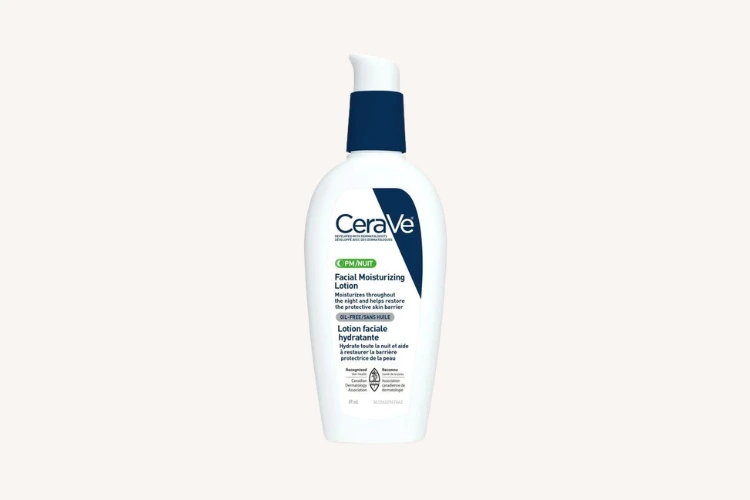
Source: Cerave
Key ingredients: Niacinamide, ceramides, hyaluronic acid · Size: 3 oz · Price: ~$16 · Editor rating: 4.8/5
There’s a reason this one lives in so many bathroom cabinets, oily and dry alike. The texture is a thin, almost weightless lotion that disappears in seconds and leaves skin soft rather than slick. It pairs niacinamide, an ingredient shown to help regulate sebum and calm redness with barrier-supporting ceramides, so your skin feels looked-after instead of stripped. It’s fragrance-free, oil-free, and non-comedogenic, which makes it an easy default for sensitive complexions.
The honest caveat: the finish is a natural, slightly satiny one, not a hard matte. If you want your moisturizer to actively blot shine, this isn’t that you’ll want a dedicated mattifying pick further down. For everyday balanced hydration, though, it’s the one we recommend first.
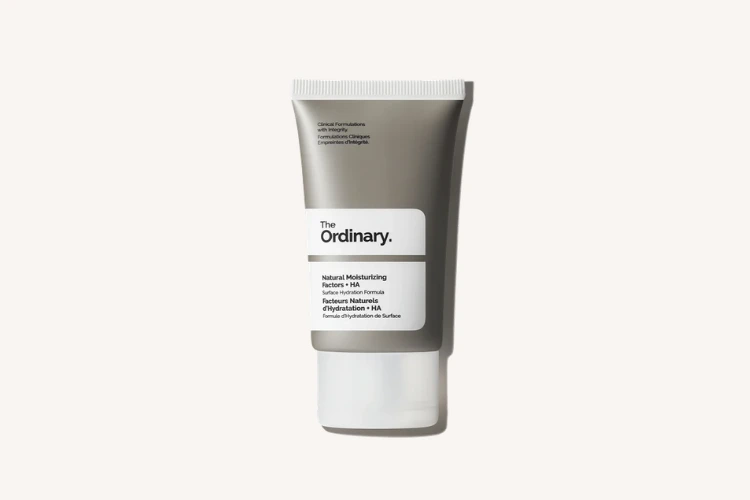
Best Budget: The Ordinary Natural Moisturizing Factors + HA
Source: theordinary
Key ingredients: Amino acids, hyaluronic acid, ceramides · Size: 1 oz / 3.4 oz · Price: ~$9 · Editor rating: 4.4/5
Proof that a good oily skin moisturizer doesn’t need to cost $50. This one leans on your skin’s own “natural moisturizing factors” the amino acids and lipids that keep the surface supple plus a touch of hyaluronic acid. It’s a cream rather than a gel, so it reads a hair richer than the lightest options here, but a pea-sized amount melts in without a greasy afterfeel.
Who it’s not for: if your skin runs very oily in high heat, a cream texture may feel like slightly too much by afternoon, and you might prefer a water gel. But for the price, the value is genuinely hard to argue with, and the ingredient list is refreshingly free of filler.
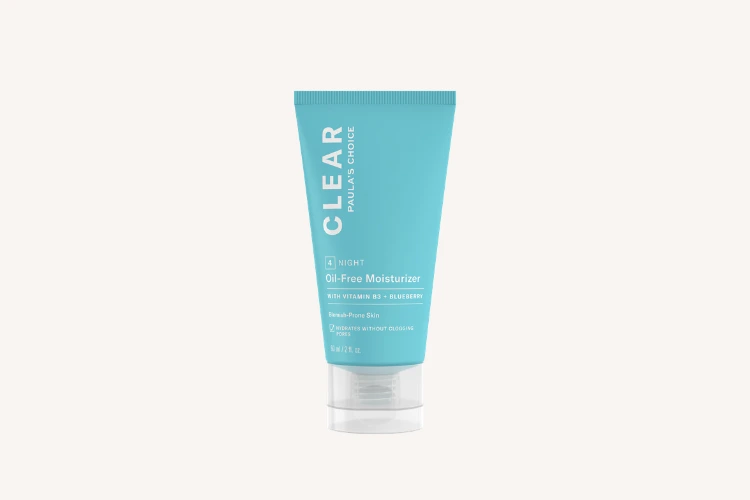
Best for Acne-Prone Skin: Paula’s Choice CLEAR Oil-Free Moisturizer
Source: paulaschoice
Key ingredients: Niacinamide, antioxidants, hyaluronic acid · Size: 2 oz · Price: ~$29 · Editor rating: 4.5/5
Built specifically for breakout-prone complexions, this lightweight, oil-free lotion hydrates without the heaviness that can trigger congestion. The niacinamide does double duty here supporting a smoother look while helping temper the redness that so often tags along with active acne. It’s fragrance-free and layers cleanly under other products, so it slots into a routine without a fuss.
One important distinction: this is a moisturizer, not an acne treatment. If you’re using it alongside actives like salicylic acid which is regulated as an acne drug, not a cosmetic, this is the soothing hydration step, not the thing clearing your skin. For anyone building out a full regimen, our editors like pairing it with a simple, consistent routine.
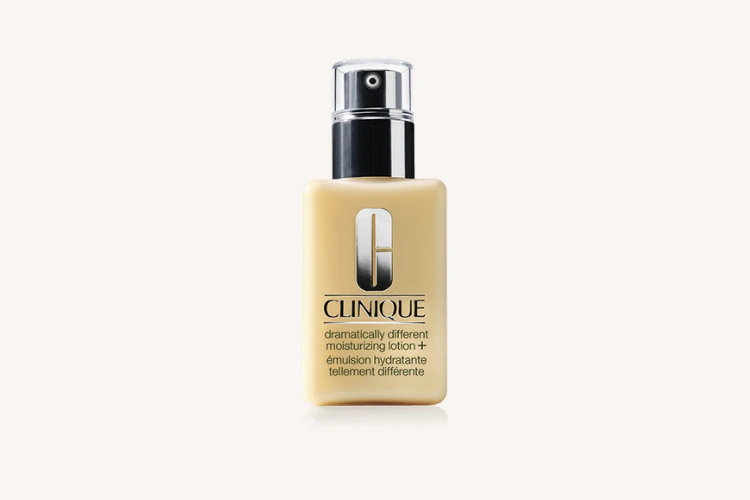
Best Oil-Free: Clinique Dramatically Different Moisturizing Gel
Source:clinique
Key ingredients: Glycerin, hyaluronic acid, cucumber extract · Size: 4.2 oz · Price: ~$32 · Editor rating: 4.4/5
The gel counterpart to Clinique’s famous yellow lotion, this version was made with oilier and combination complexions in mind. It’s a true oil-free gel that sinks in fast and finishes fresh, never tacky. Glycerin, a reliable humectant that draws in moisture, does the heavy lifting, so skin stays comfortable for hours without a heavy feel.
The trade-off is that it’s a workhorse, not a treatment you won’t find buzzy actives here, and the scent, while mild, isn’t fully fragrance-free, so extremely reactive skin should patch test. For dependable, no-drama hydration that respects an oily complexion, it earns its spot.
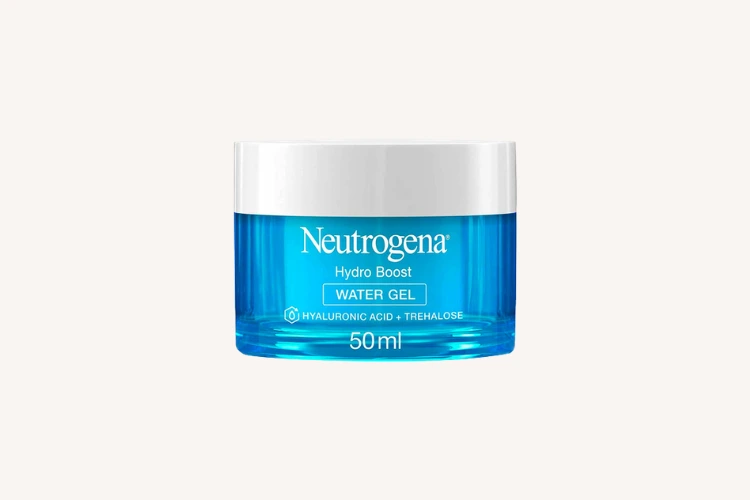
Best Gel Moisturizer: Neutrogena Hydro Boost Water Gel
Source: Neutrogena
Key ingredients: Hyaluronic acid, glycerin · Size: 1.7 oz · Price: ~$22 · Editor rating: 4.6/5
If you’ve never used a water gel, this is the gateway. It has that satisfying, almost-jelly texture that turns to water on contact and vanishes into the skin, delivering a serious hydration hit courtesy of hyaluronic acid, which pulls water into the surface and holds it there. On hot days it feels like a tall glass of water for your face, and it layers beautifully under sunscreen or makeup.
Worth noting: because it’s so light, deeply dehydrated skin (yes, oily skin can be dehydrated) may want a second hydrating layer underneath in winter. And while it’s marketed oil-free, it does contain silicones for slip, which a small number of people prefer to avoid. For most oily complexions, it’s a joy.
Best Mattifying Finish: La Roche-Posay Effaclar Mat
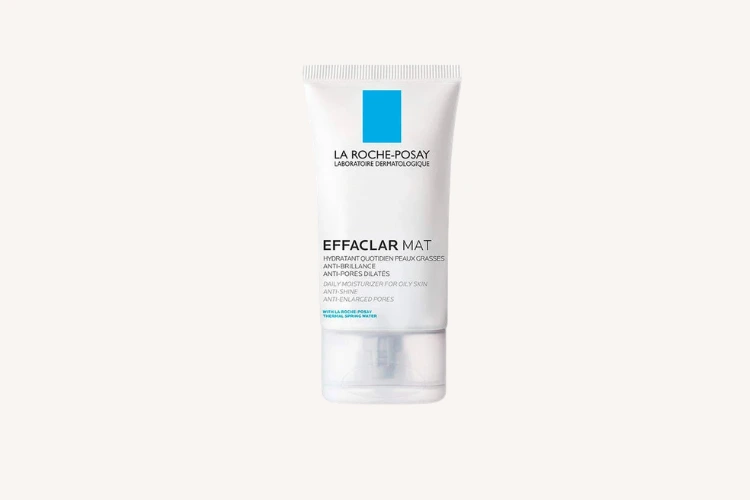
Source: la roche posay
Key ingredients: Sebo-regulating complex, glycerin, thermal spring water · Size: 1.35 oz · Price: ~$32 · Editor rating: 4.3/5
When shine is your main grievance, this is the mattifying moisturizer to try. It’s formulated to tighten the look of pores and keep oil at bay, finishing genuinely matte rather than merely “not greasy.” Our team found it makes an excellent makeup base foundation, grips better and slides around less by mid-afternoon.
The honest limits: a mattifying formula like this is designed for oil control, so if your skin skews combination or gets dry patches, it can feel a touch too austere on those areas. And no topical will shrink pores permanently this softens their appearance while you wear it. For all-over oily skin that fights shine all day, it delivers.
Best for Combination Skin: belif The True Cream Aqua Bomb
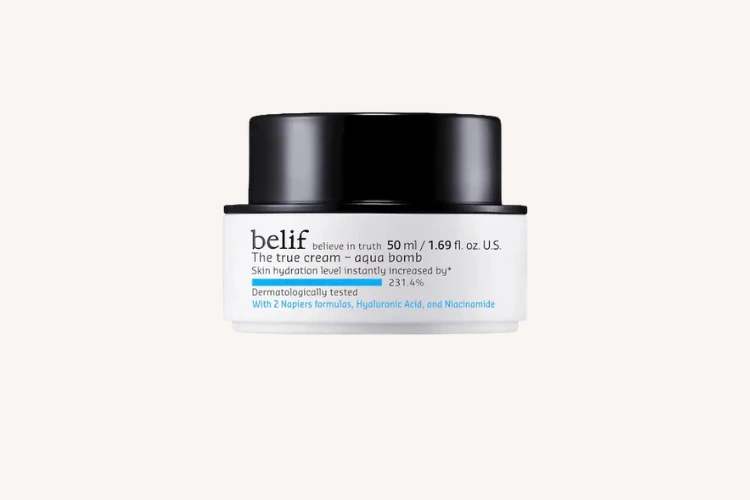
Source:belif
Key ingredients: Glycerin, squalane, botanical blend · Size: 1.68 oz · Price: ~$38 · Editor rating: 4.5/5
Combination skin is a balancing act: an oily T-zone above cheeks that can feel tight and this gel-cream threads that needle. It has a whipped, cloud-like texture that feels cooling on application, then settles into a soft, hydrated finish that isn’t oily where you’re oily or parched where you’re dry. Squalane, a lightweight lipid that mimics skin’s own oils, keeps it non-greasy.
Who it’s not for: if you’re oily everywhere and want a matte result, a dedicated gel or the mattifying pick above will serve you better. But for the genuinely combination crowd, it’s one of the most satisfying textures we’ve tried, and a little goes a long way.
Best with SPF: EltaMD UV Clear Broad-Spectrum SPF 46
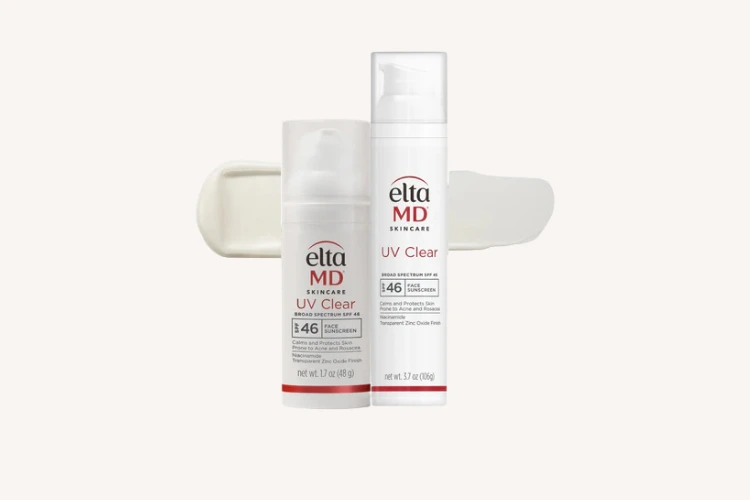
Source:eltamd
Key ingredients: Zinc oxide, niacinamide, hyaluronic acid · Size: 1.7 oz · Price: ~$44 · Editor rating: 4.7/5
Sunscreen is the step oily-skinned people skip most, usually because so many formulas feel heavy. This one is the frequent exception of a lightweight, oil-free daily SPF that dermatologists reach for constantly, thanks to a mineral zinc base plus niacinamide to keep breakout-prone skin calm. It wears more like a fluid moisturizer than a thick sunscreen, and the finish is closer to natural than greasy.
The caveats are small: the tinted version suits more skin tones than the untinted (which can leave a faint cast on deeper complexions), and at this price it’s an investment. But a moisturizing SPF you’ll actually wear every day is worth it sun protection is the single most evidence-backed thing in your routine.
Best Splurge: Youth To The People Superfood Air-Whip Moisture Cream
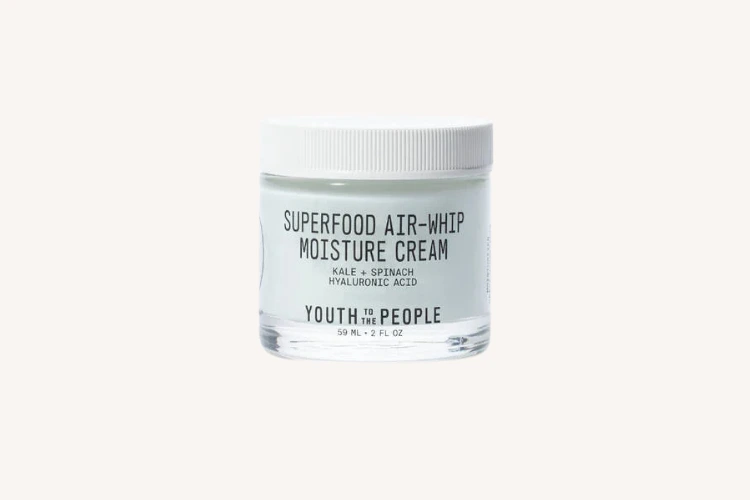
Source:youthtothepeople
Key ingredients: Hyaluronic acid, kale and green tea antioxidants, squalane · Size: 2 oz · Price: ~$48 · Editor rating: 4.5/5
For anyone who wants the ritual as much as the result, this oil-free whip is a lovely thing to use. The texture is exactly what the name promises: airy and mousse-like and it melts into a weightless, non-greasy finish while an antioxidant-rich botanical blend gives skin that “well cared for” glow. It layers cleanly and never sits heavy, even on oilier days.
The trade-off is simply price-to-function: you can get comparable hydration from our budget or gel picks for a fraction of the cost. What you’re paying extra for here is the sensory experience, the antioxidants, and the packaging. If that’s your kind of splurge, it’s a worthy one.
What to Look for in a Moisturizer for Oily Skin
Shopping for oily skin isn’t about finding the “strongest” product, it’s about matching texture and ingredients to how your skin actually behaves. Here’s how our editors think it through.
Ingredients to Seek Out
A few activities punch above their weight for oily complexions. Niacinamide is the standout: it supports oil balance and helps calm redness, which is why it appears in so many of our picks. Hyaluronic acid and glycerin are humectants they pull water into the skin for hydration without any greasy residue. Ceramides help reinforce the skin barrier so moisture stays put, and for breakout-prone skin, salicylic acid gently exfoliates inside the pore. Just remember salicylic acid and benzoyl peroxide are treatment activities, not moisturizing ingredients they do a different job.
On the avoid list: heavy occlusives like mineral oil, and rich butters that can feel greasy or clog pores on oilier skin. This is also where the label helps dermatologists broadly recommend choosing formulas marked oil-free and non-comedogenic, meaning they’re formulated not to clog pores.
Textures and Finishes
Texture is where oily skin wins or loses the day. Gels and water gels are usually the sweet spot they hydrate and absorb fast without adding weight or shine. Lightweight lotions work well too, especially the oil-free kind. Richer creams and balms tend to be better suited to dry or mature skin and can feel like too much on an oily complexion. If shine is your primary concern, look specifically for a mattifying formula; if you just want comfortable hydration, a plain oil-free gel or lotion is plenty.
Matching Your Skin Type
“Oily” isn’t one thing. Truly oily skin shiny across the whole face does best with the lightest gels and mattifying formulas. Combination skin, oily in the middle and normal-to-dry at the edges, is happiest with a balanced gel-cream that hydrates without over-drying the cheeks. Acne-prone skin should prioritize oil-free, non-comedogenic labels and lean on soothing ingredients like niacinamide, while keeping actual acne treatment as a separate step. When in doubt, a fragrance-free formula is the safest starting point.
Realistic Expectations
Here’s the honest part. A great moisturizer can make oily skin feel balanced, look more matte, and behave better under makeup but it can’t permanently stop oil production or clear acne on its own. Those are jobs for FDA-regulated acne drugs like benzoyl peroxide or adapalene, or for a prescription plan. If you’re dealing with persistent breakouts, ongoing irritation, or a skin condition that isn’t budging, that’s your cue to see a board-certified dermatologist rather than keep swapping creams.
How We Made Our Picks
We combed through thousands of verified consumer reviews across major retailers, paying close attention to how real people with oily and combination skin described each product’s texture, finish, and staying power over weeks of daily use. From there, we cross-referenced the most consistently praised formulas with their ingredient lists to make sure the science backed up the hype.
Frequently Asked Questions
Do people with oily skin need moisturizer?
Yes. Skipping moisturizer can backfire: when skin feels dehydrated, it often produces more oil to compensate. A lightweight, oil-free moisturizer keeps skin hydrated and comfortable, which helps it feel more balanced, not greasier. The key is choosing a gel or thin lotion over a heavy cream.
What ingredients are best for oily skin?
Look for niacinamide to support oil balance and calm redness, plus humectants like hyaluronic acid and glycerin that hydrate without residue. Ceramides help maintain the skin barrier, and salicylic acid suits breakout-prone skin. Choose formulas labeled oil-free and non-comedogenic, and generally skip heavy oils and butters.
Is gel or cream moisturizer better for oily skin?
For most oily complexions, gel wins. Gels and water gels hydrate and absorb quickly without adding weight or shine, so skin feels fresh rather than slick. Creams tend to be richer and better suited to dry or mature skin. Combination skin often does well with a middle-ground gel-cream.
Can moisturizer cause breakouts?
It can, if the formula is heavy or contains pore-clogging ingredients but the right one won’t. Choosing products labeled non-comedogenic and oil-free lowers that risk considerably. If a new moisturizer seems to trigger congestion, stop using it and simplify your routine; a persistent reaction is worth a dermatologist’s input.
How often should oily skin be moisturized?
Twice daily is the standard once in the morning and once at night, ideally applied to slightly damp skin after cleansing to help lock in hydration. Use a small amount; over-applying can leave skin feeling greasy without adding real benefit. Layer a broad-spectrum SPF over your morning moisturizer.
The Bottom Line
Oily skin doesn’t need less moisture, it needs the right kind. Whether you start with the do-it-all CeraVe PM, the budget-friendly Ordinary, or a mattifying formula built for shine, the goal is the same: real hydration with a finish you actually like living in.
For more honest reviews, side-by-side comparisons, and money-saving picks, keep exploring beauty coverage on Retail Verdict we test so you can shop smarter.
Editorial Disclaimer
This article is intended for general informational and shopping purposes only and should not be considered professional skincare or medical advice. Our selections were curated using publicly available product information, ingredient lists, popular recommendations, and consumer reviews from major online retailers. Individual results may vary, so consult a dermatologist or qualified healthcare professional if you have persistent acne, irritation, allergies, or other skin concerns.
You Might Also Like
Thank you for taking the time to read this post. Stay tuned for more updates!