WELCOME TO EVERYDAY STYLE MADE SIMPLE
Building a baby registry sounds exciting until you actually start one. Suddenly you’re comparing five kinds of bottles, wondering how many newborn pajamas you really need and trying to decide whether that expensive stroller is worth adding to the list.
The good news is that you don’t need to register for every baby product you see. A good registry starts with the things you’ll use regularly, then fills in the gaps with a few nice-to-have extras.
That’s where Babylist makes the process a little easier. Unlike a registry tied to one retailer, Babylist lets you add products from virtually any store to one list, so you can mix your favorite brands, big-ticket gear and everyday essentials without creating several separate registries.
Top Categories
Best for Feeding: Anti-Colic and Glass Baby Bottles
Best Wardrobe Essential: Baby Footies
Best for Night-Time: Bedside Bassinet
Best for Growing With Baby: Convertible Car Seat
Best for Everyday Lounging: Baby Bouncer
Best Big-Ticket Pick: Full-Size Strollers
Best Bedtime Essential: Swaddles
Best for Bath Time: Supportive Baby Bathtubs
Best for Feeding: Anti-Colic and Glass Baby Bottles
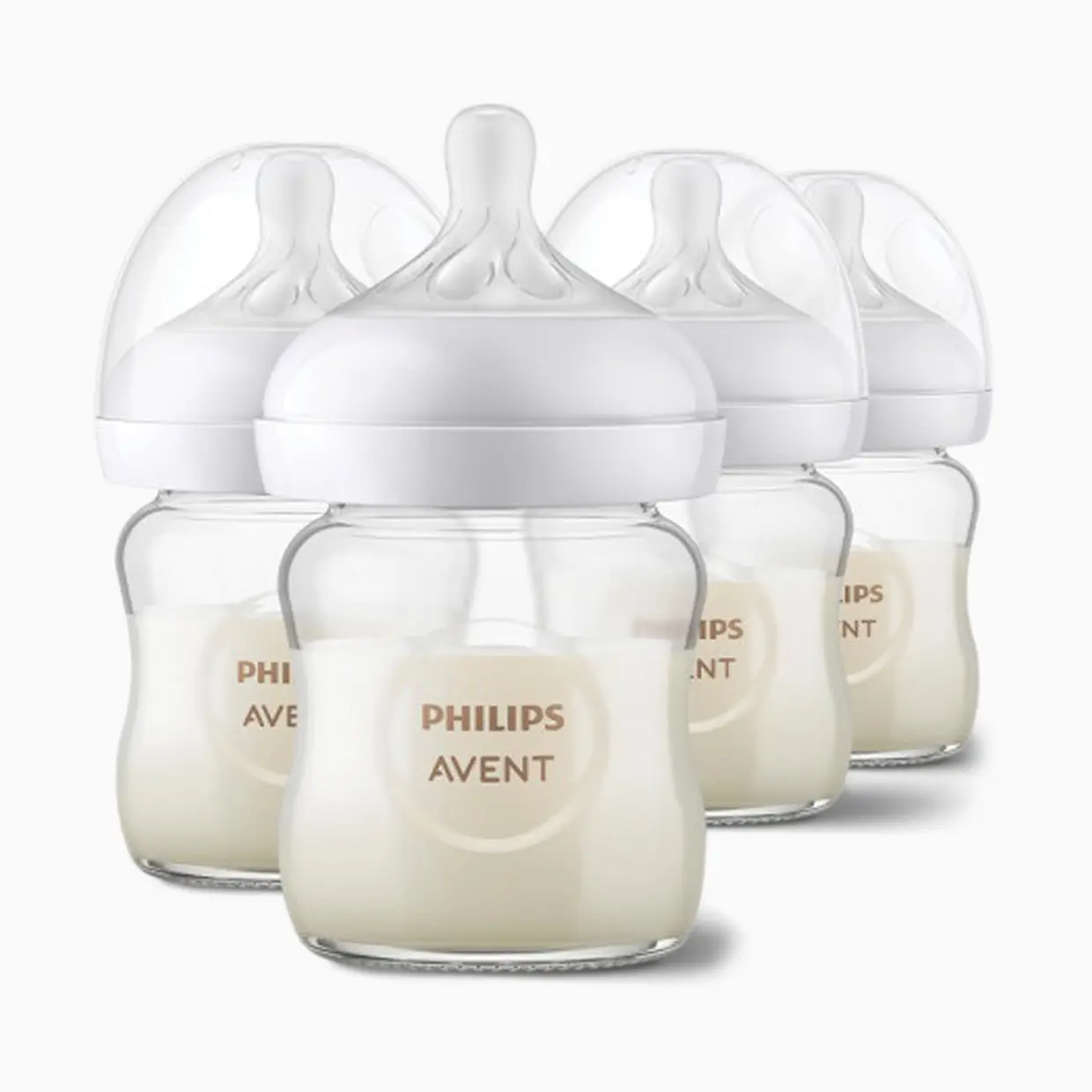
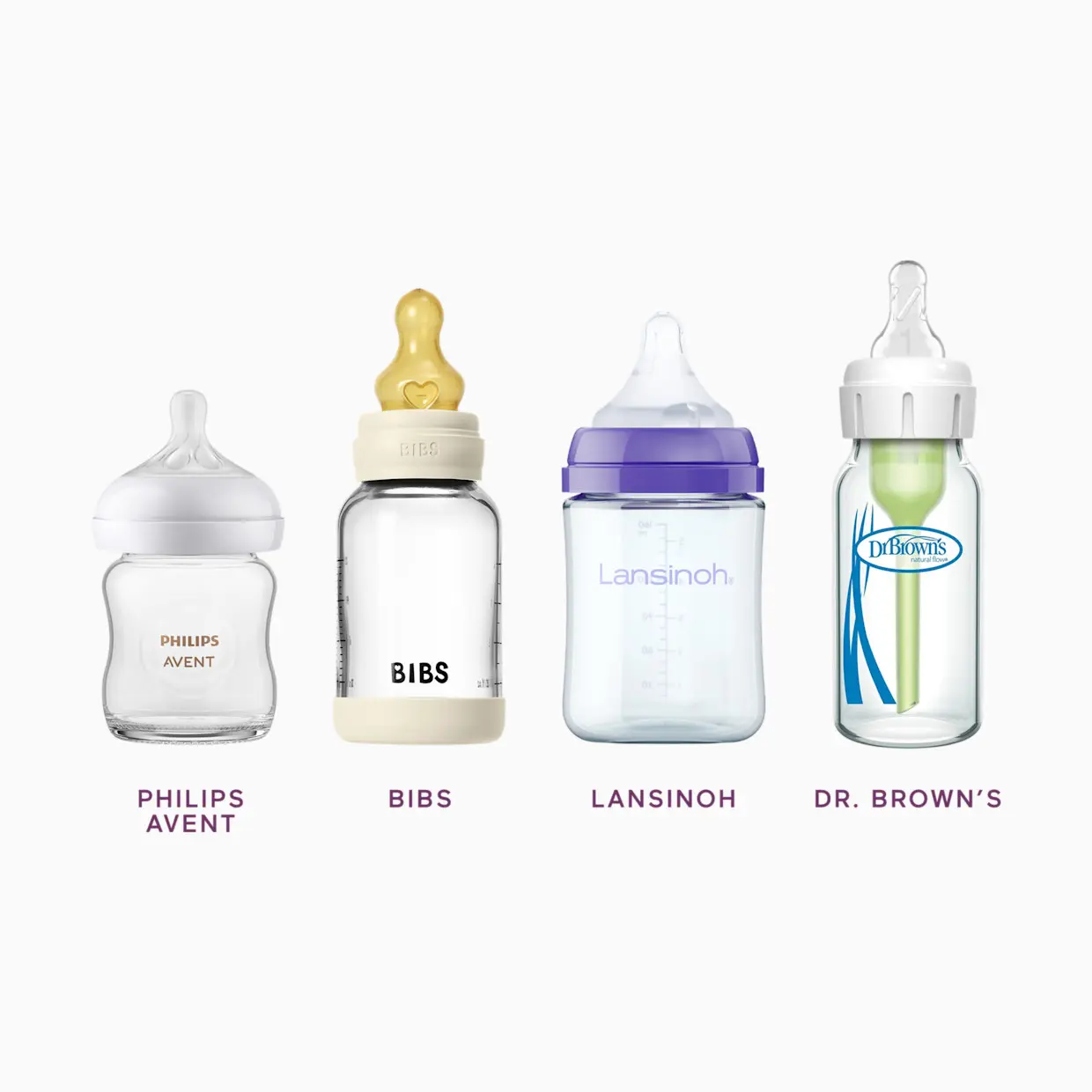
- Best for: Everyday bottle feeding and finding a style your baby is comfortable with
- Popular brands: Philips Avent, Dr. Brown’s, Lansinoh, Pigeon
- What to look for: Anti-colic venting, bottle material, nipple shape and flow, easy cleaning and breast-pump compatibility
Baby bottles are one registry category where it pays to have options. Anti-colic bottles are especially popular because their venting systems are designed to reduce how much air a baby takes in while drinking, which may help with feeding discomfort for some babies. Glass bottles have their own appeal: they’re sturdy, easy to sterilize and don’t tend to hold onto milk odors or stains the way some plastic bottles can.
The tricky part is that babies can be surprisingly particular about nipple shape and flow. A bottle another parent swears by may not be the one your baby prefers, which is why trying a few styles before stocking up can save you from ending up with a cabinet full of unused bottles. Babylist even offers Bottle Boxes built around that exact idea.
Worth knowing: “Anti-colic” doesn’t mean a bottle can guarantee less gas or crying. Venting systems are designed to reduce swallowed air, but results can vary from baby to baby. Think of anti-colic features as something worth trying rather than a guaranteed fix.
Best Wardrobe Essential: Baby Footies
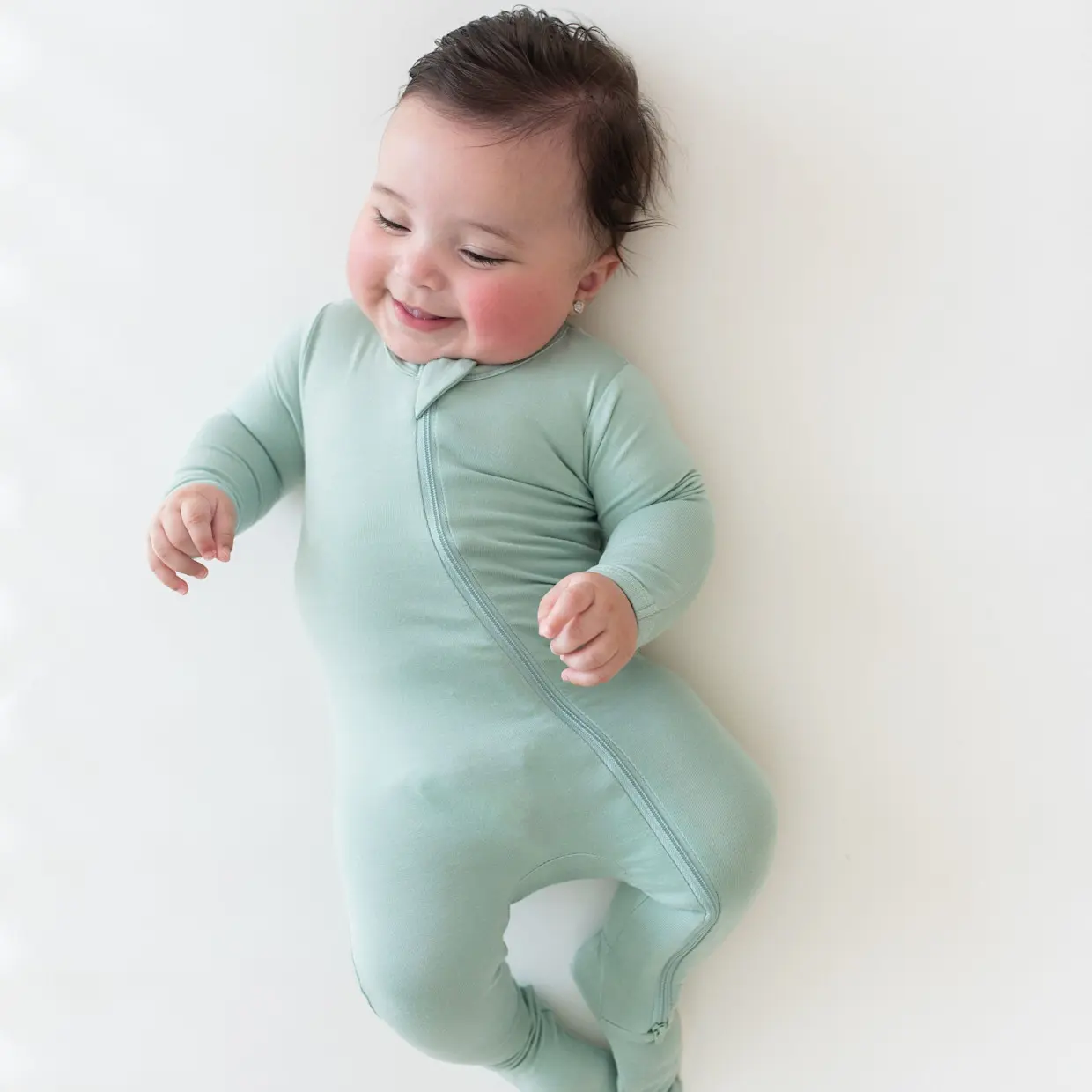
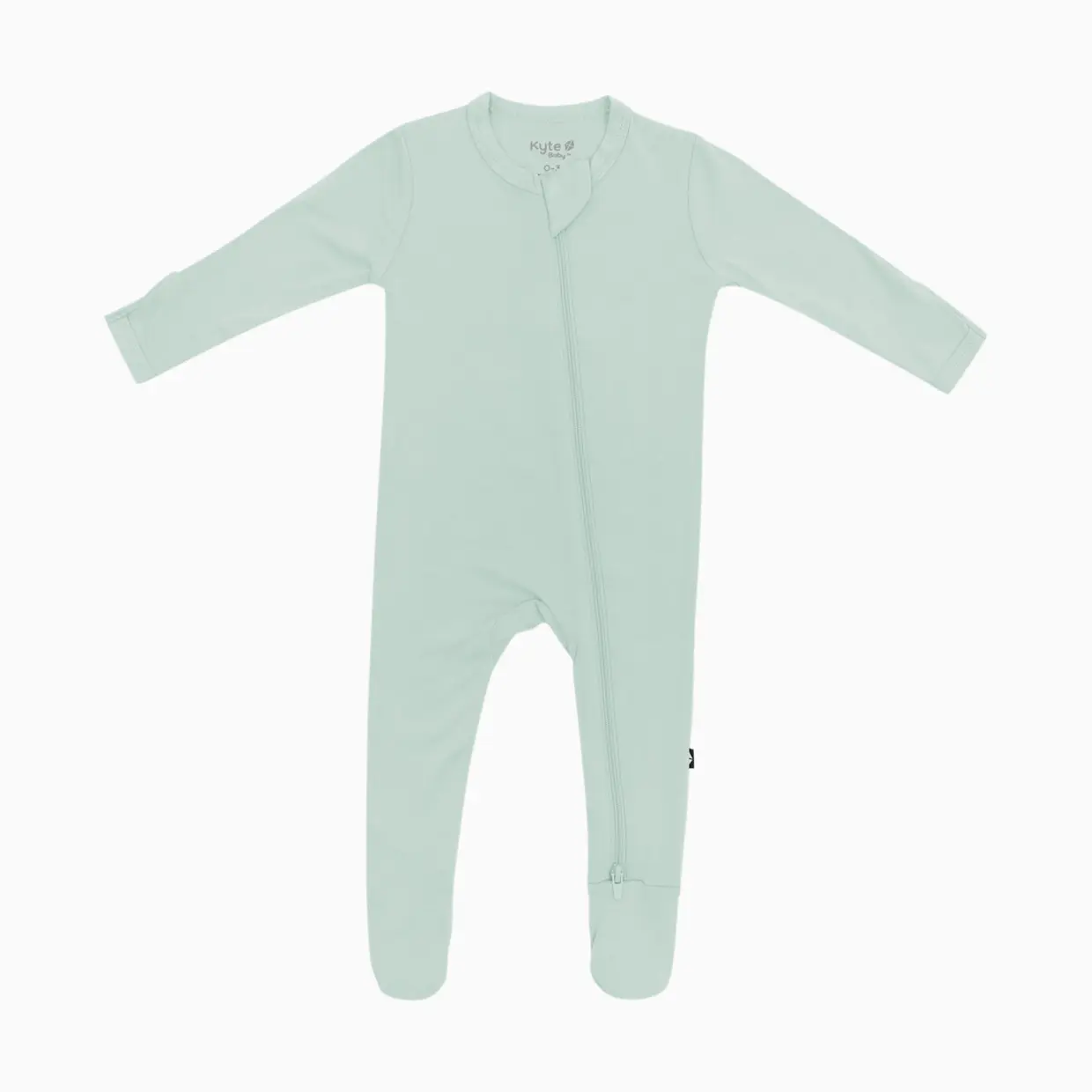
- Best for: Everyday wear, naps and bedtime
- Popular brands: Kyte Baby, Burt’s Bees Baby, Magnetic Me, Little Sleepies
- What to look for: Soft breathable fabric, two-way zippers, comfortable stretch and easy diaper access
Of all the adorable outfits that end up on a registry, footies are usually among the pieces that get the most actual wear. They’re one outfit instead of three separate pieces, covered feet mean one less pair of tiny socks to lose and many styles can work for both lounging during the day and sleeping at night.
A zipper is a highly loved feature. Two-way zippers in particular can make middle-of-the-night diaper changes much easier because you don’t need to completely undress baby. Fabric matters too: soft cotton and bamboo blends are common choices, while a little stretch can help a footie stay comfortable as baby moves.
Worth knowing: Don’t fill the whole drawer with newborn sizing. Babies grow at very different rates, so spreading your registry across newborn, 0–3, 3–6 and later sizes gives you clothing that will actually be useful beyond those first few weeks
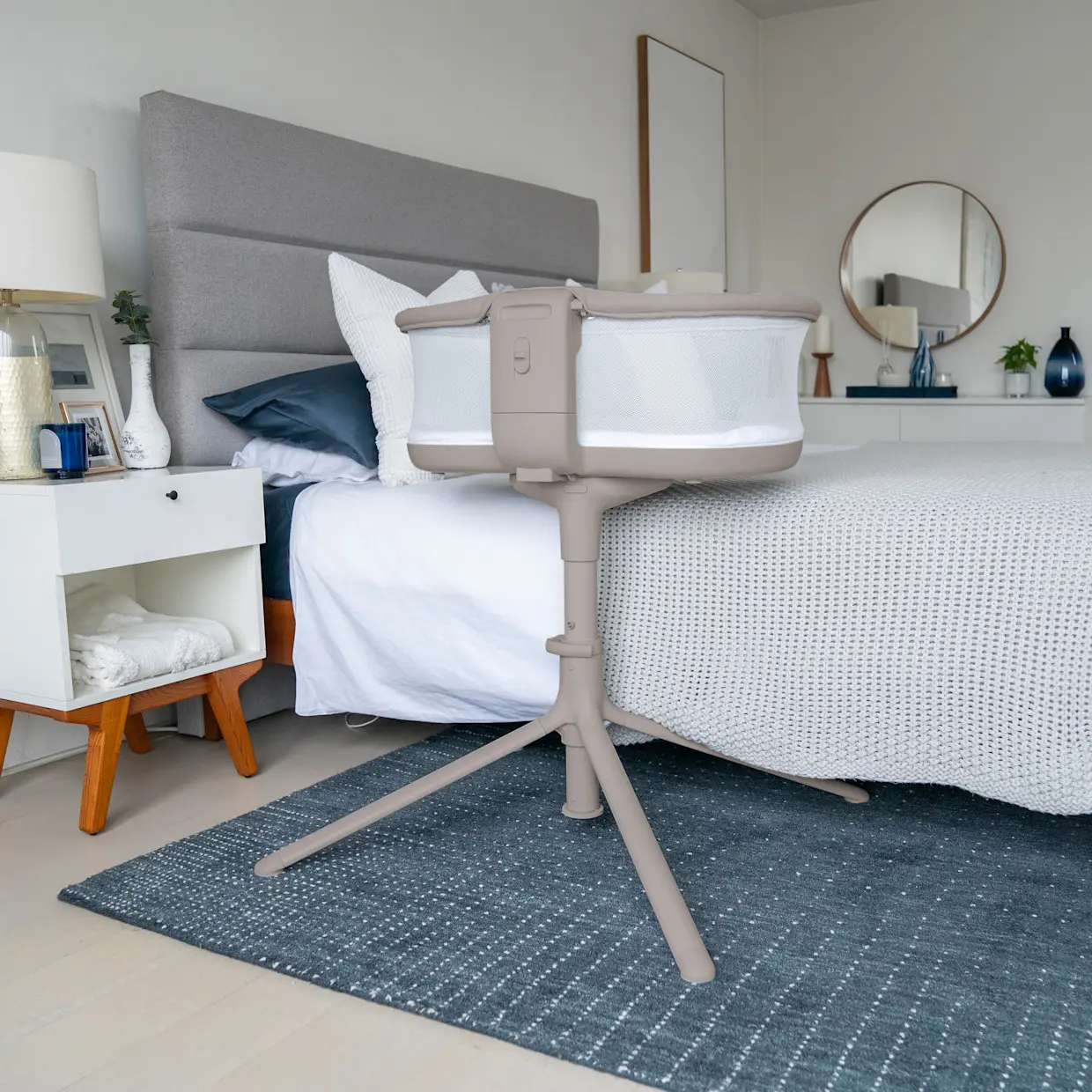
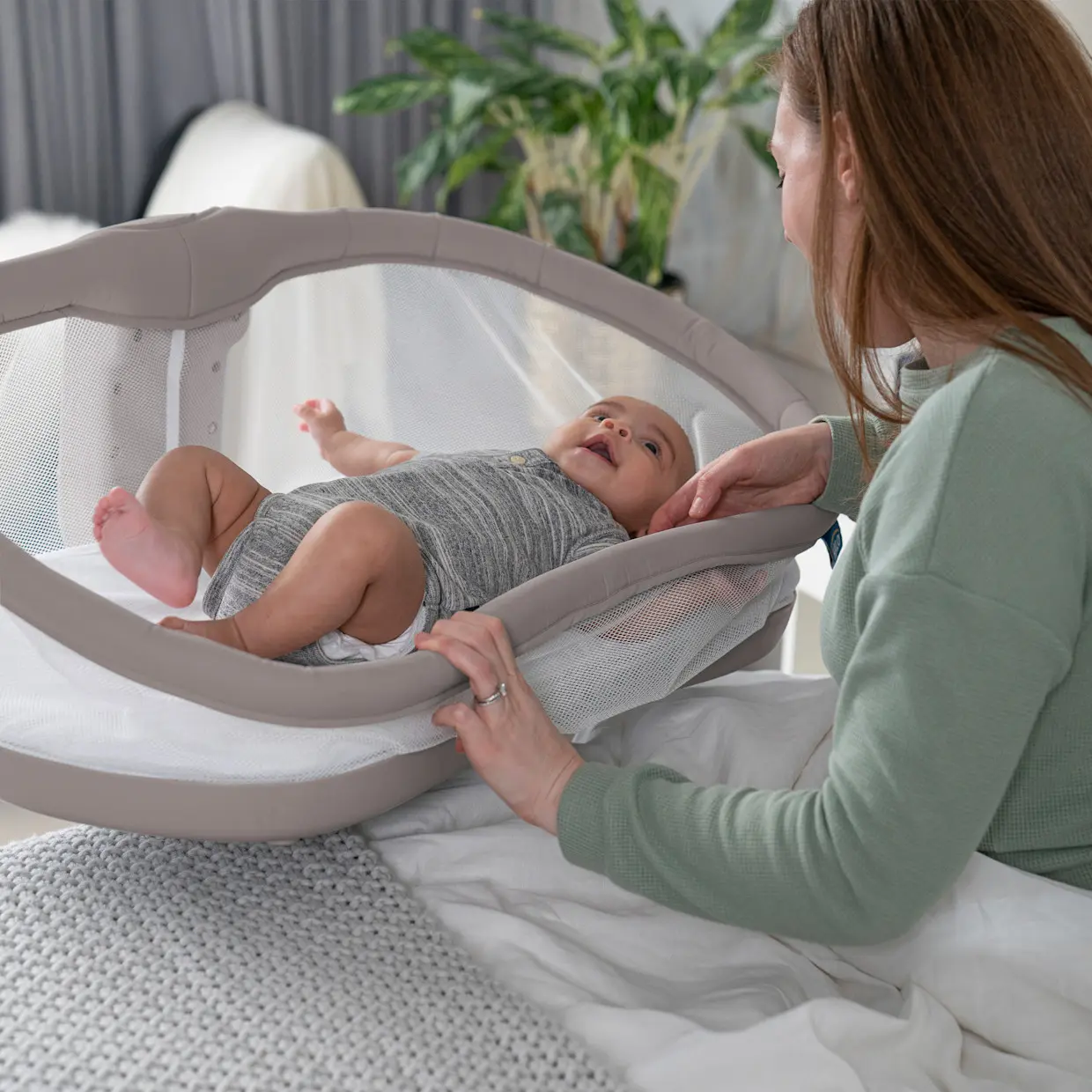
Best for Night-Time: Bedside Bassinets
- Best for: Keeping baby close during the early months
- Popular brands: Halo, Newton Baby, Snüz, Maxi-Cosi
- What to look for: A firm flat sleep surface, breathable sides, sturdy construction and a footprint that works beside your bed
Those first few months usually come with plenty of nighttime wake-ups, so keeping baby’s sleep space nearby can make feeds and quick check-ins a little easier. Bassinets are smaller than full-size cribs and are designed specifically for younger babies, which is one reason they’re such a common registry addition. Many bedside styles also tuck close to the adult bed without taking over the room.
You’ll find everything from simple stationary bassinets to swivel, portable and smart designs, but the extra features matter less than the basics. Look for a firm, flat sleep surface, check the manufacturer’s weight and milestone limits and think about how much floor space you actually have beside your bed.
Worth knowing: Bassinets have a relatively short lifespan. Babies generally move out of them once they begin rolling, pushing up or reaching the manufacturer’s limit. A crib can be used from birth, so a bassinet is really about convenience rather than being an absolute necessity.
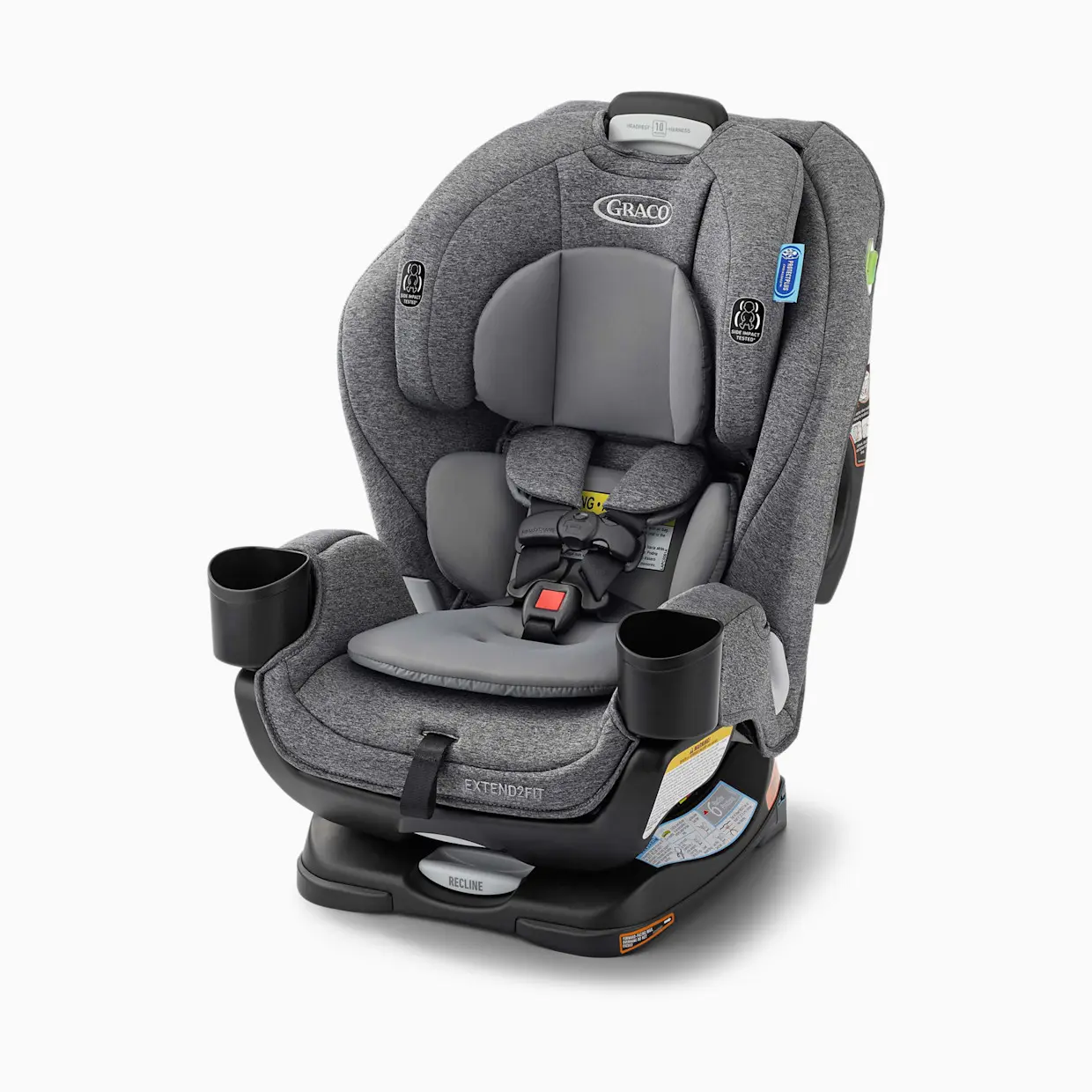
Best for Growing With Baby: Convertible Car Seats
- Best for: Longer-term use as your child grows
- Popular brands: Graco, Nuna, Evenflo, Cybex
- What to look for: Vehicle fit, rear-facing limits, easy installation, harness adjustment, washable covers and whether you want features like 360-degree rotation
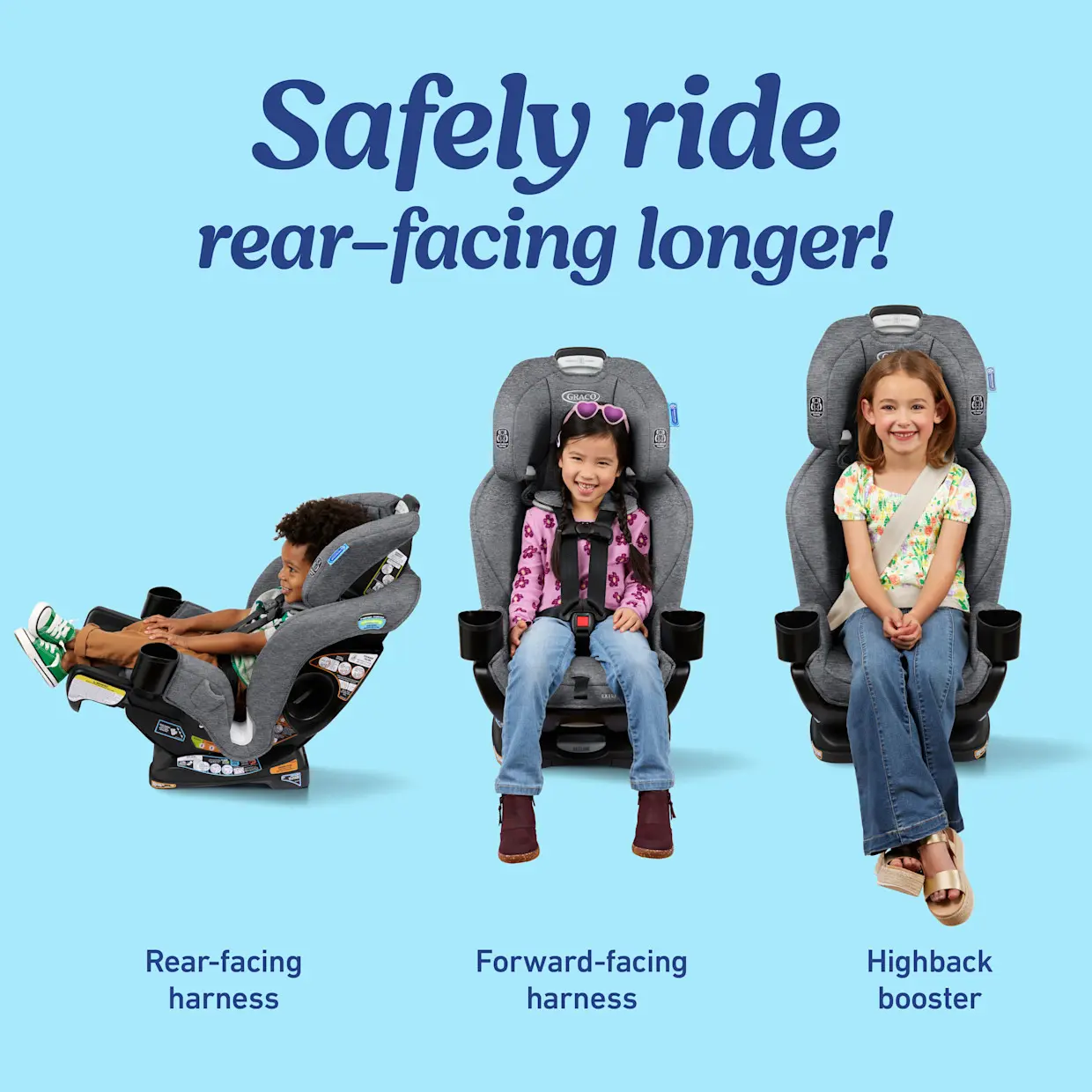
A convertible car seat makes a lot of sense if longevity is high on your registry wish list. Unlike an infant seat that’s eventually outgrown and replaced, a convertible model stays installed in the car and adjusts as your child gets bigger. You’ll find two-in-one, three-in-one and all-in-one designs, with some models intended to last through preschool and beyond.
The biggest differences tend to come down to size, installation, how much rear-facing room the seat provides and how easily the harness adjusts. Rotating models can make getting baby in and out easier, while slimmer seats may be more practical for compact cars or families fitting several car seats across one row. The best choice is ultimately the one that fits your child and your vehicle correctly.
Worth knowing: Don’t rush the move to forward-facing simply because a child reaches a certain birthday. Follow the height, weight and developmental limits of your specific car seat and keep your child rear-facing for as long as the seat allows.
Best for Everyday Lounging: Baby Bouncers
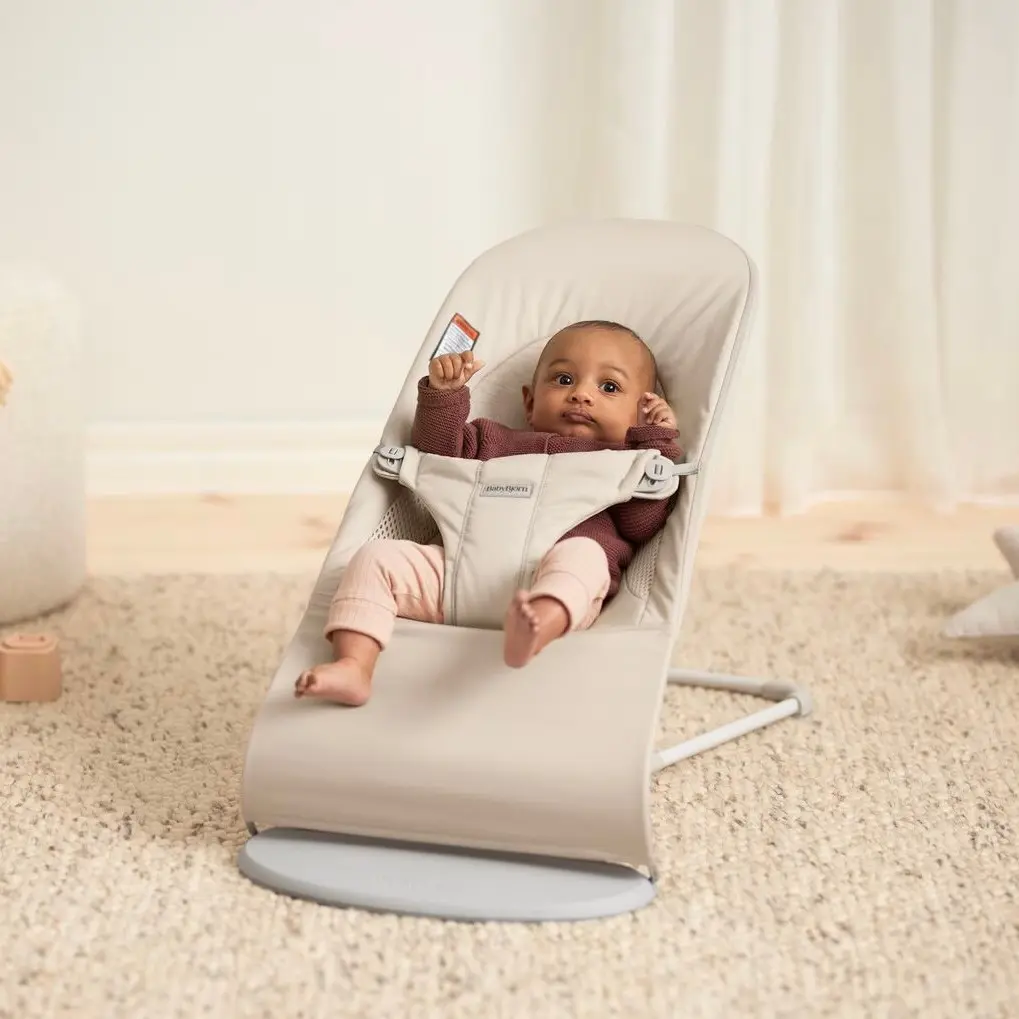
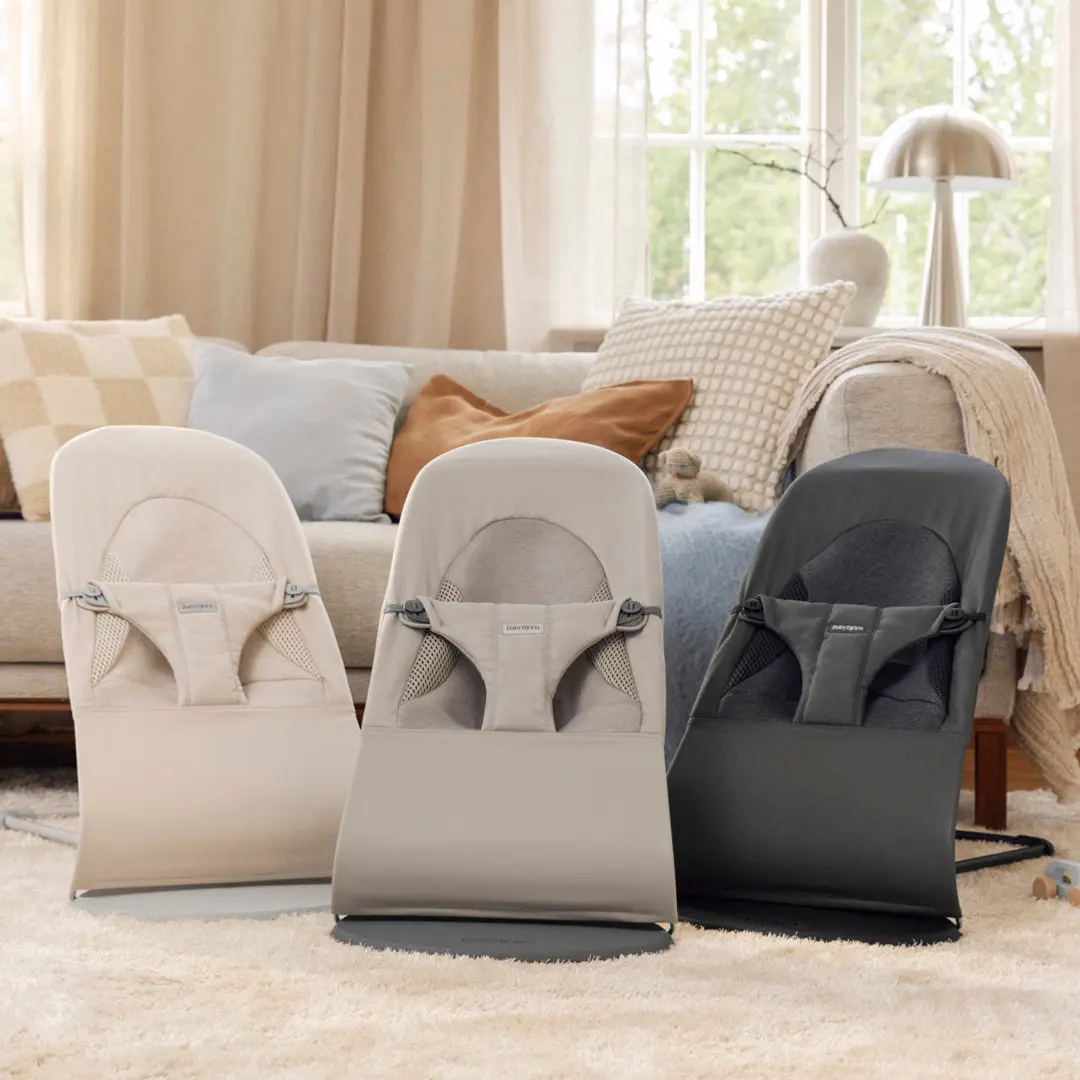
- Best for: Supervised lounging, play and keeping baby nearby
- Popular brands: BabyBjörn, Ergobaby, UPPAbaby, Baby Delight
- What to look for: Supportive seating, adjustable recline, portability, washable fabric and a frame that’s easy to move or store
Sometimes you just need somewhere for baby to hang out nearby while you make a coffee, fold laundry or get ready for the day. That’s where a bouncer earns its place on a registry. Some rock naturally with baby’s movements, while others add vibration, toy bars or different recline positions, but the basic idea is the same: a comfortable spot for supervised awake time that can move around the house with you.
Simple designs can be especially appealing because there are no batteries or motors to worry about, while convertible options can stretch the lifespan by turning into toddler chairs later. Removable, machine-washable covers are another feature highly loved by many parents.
Worth knowing: A bouncer is not a sleep space. If baby falls asleep, move them to a firm, flat surface intended for infant sleep. You should also follow the individual bouncer’s milestone and weight limits rather than relying on a general age recommendation
Best for Everyday Lounging: Baby Bouncers
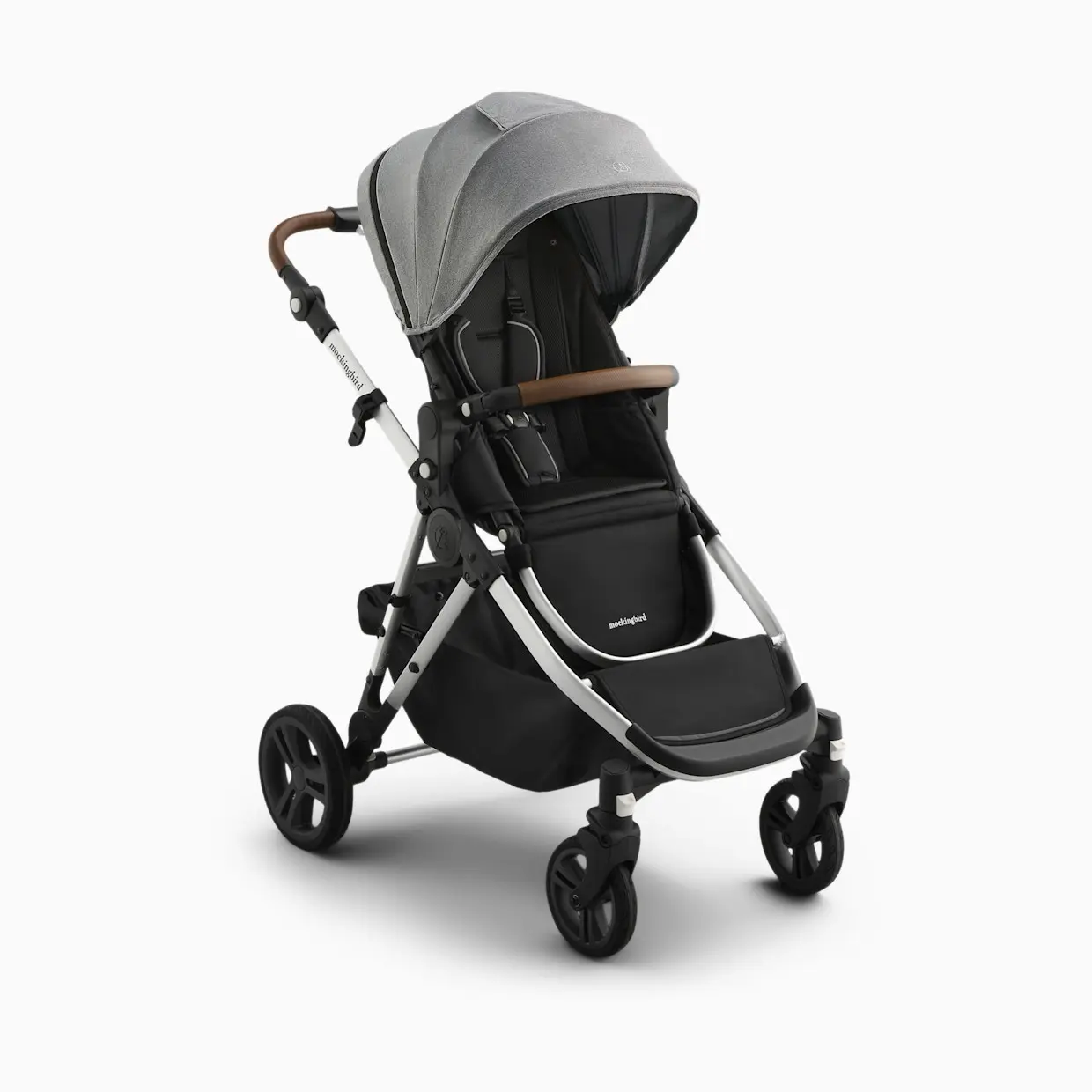
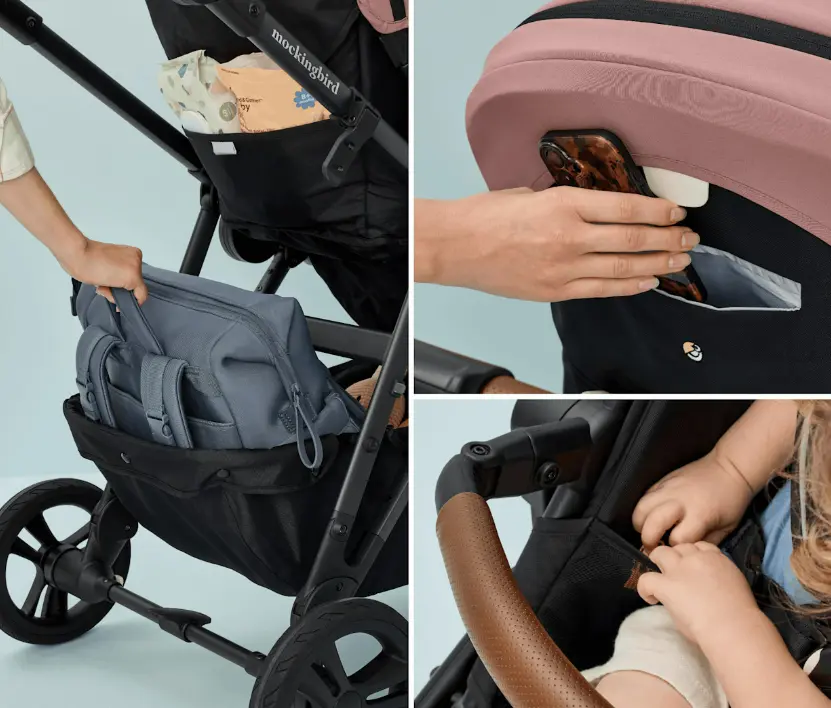
- Best for: Everyday walks, errands and longer outings
- Popular brands: Mockingbird, UPPAbaby, Nuna, Graco
- What to look for: Maneuverability, suspension, storage space, an easy fold, car-seat compatibility and whether the stroller can adapt as your family grows
If there’s one registry item worth spending extra time comparing, it’s probably the stroller. A full-size stroller is built for everyday use, so the right one should work just as well for a walk around the neighborhood as it does for groceries, appointments or a full afternoon out.
Think about your routine before getting distracted by every extra feature. A large basket is genuinely useful once diaper bags and groceries start coming along, good suspension matters if your sidewalks aren’t perfectly smooth and the folded dimensions matter every single time you’re putting the stroller in your trunk. Families thinking ahead to another child may also find a single-to-double model worth the extra investment.
Worth knowing: Not every stroller seat is suitable from birth. Some require an infant car seat, bassinet or newborn insert until baby reaches the minimum age or developmental requirements, so check the specifications before assuming you’ll be able to use it straight away.
Best Bedtime Essential: Swaddles
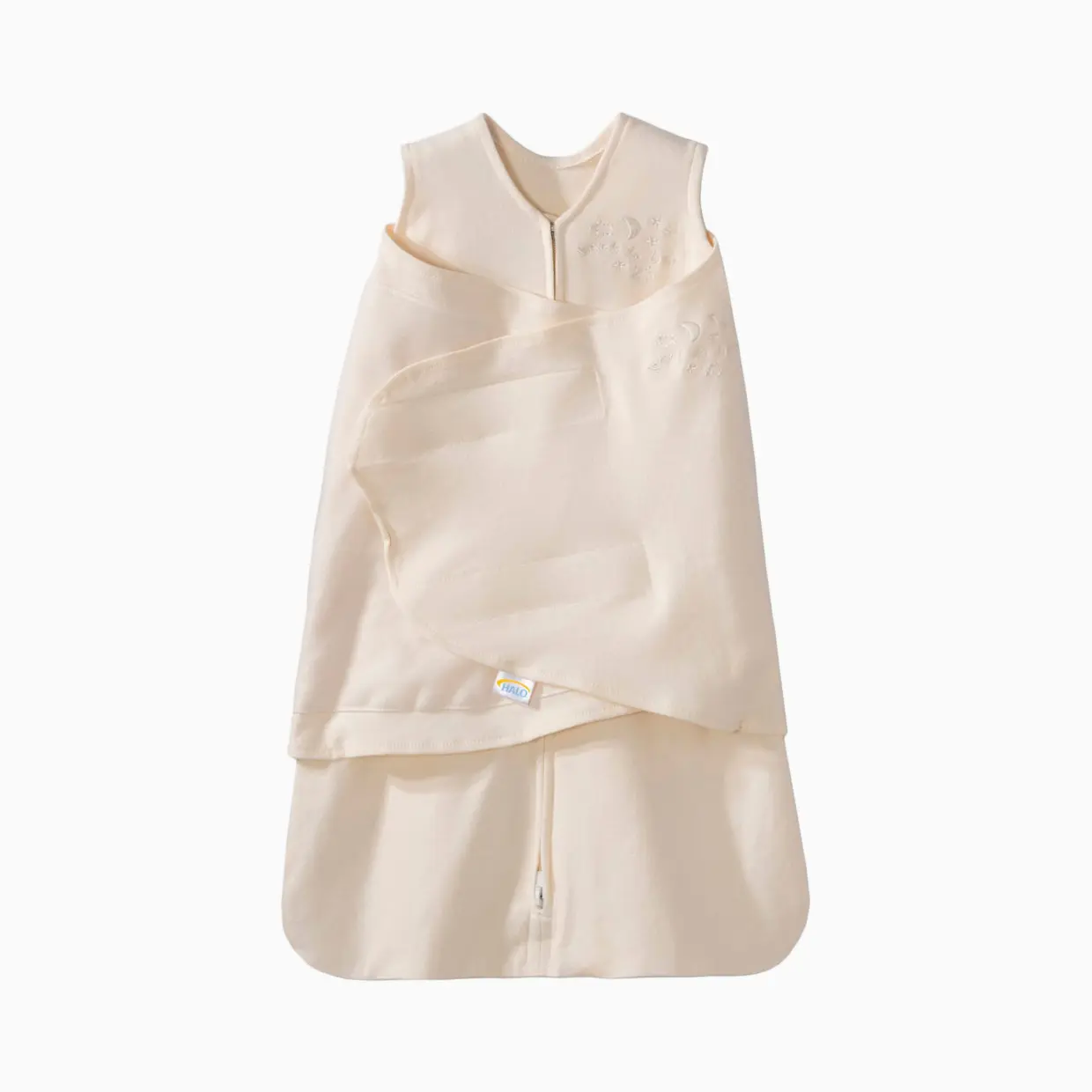
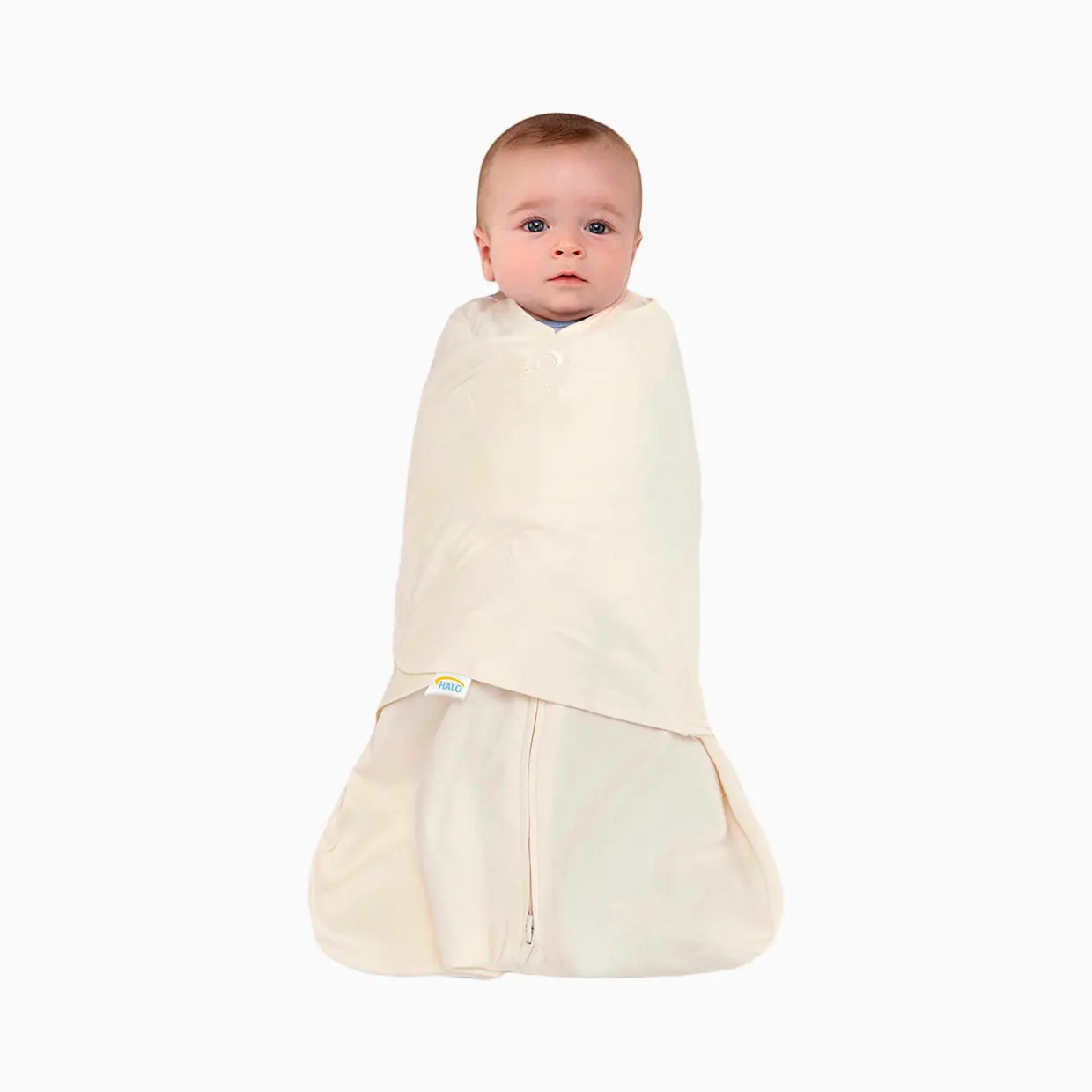
- Best for: Making newborn swaddling simpler and creating a snug bedtime routine
- Popular brands: Halo, Love to Dream, SwaddleMe, Aden + Anais
- What to look for: Breathable fabric, secure but easy fastening, appropriate TOG for the room temperature and an easy transition to arms-out sleep
Swaddling looks straightforward until you’re standing beside the bassinet at 2 a.m. trying to remember which corner of the blanket folds where. That’s one reason zip, Velcro and wrap-style swaddles have become such popular registry additions: they take a lot of the guesswork out of creating a snug fit. You’ll also find two-in-one designs that can later be worn with baby’s arms out.
Material and ease of use matter here. Lightweight cotton, muslin and bamboo are common, while structured swaddles can be much quicker to put back on after a nighttime diaper change. If you’re buying more than one, trying different styles can also be useful since some babies prefer their arms tucked in while others want their hands closer to their face.
Worth knowing: Swaddling is only for the early stage. Babies should always be placed on their backs to sleep, and swaddling should stop once they begin showing signs of trying to roll. Weighted swaddles should also be avoided.
Best for Bath Time: Supportive Baby Bathtubs
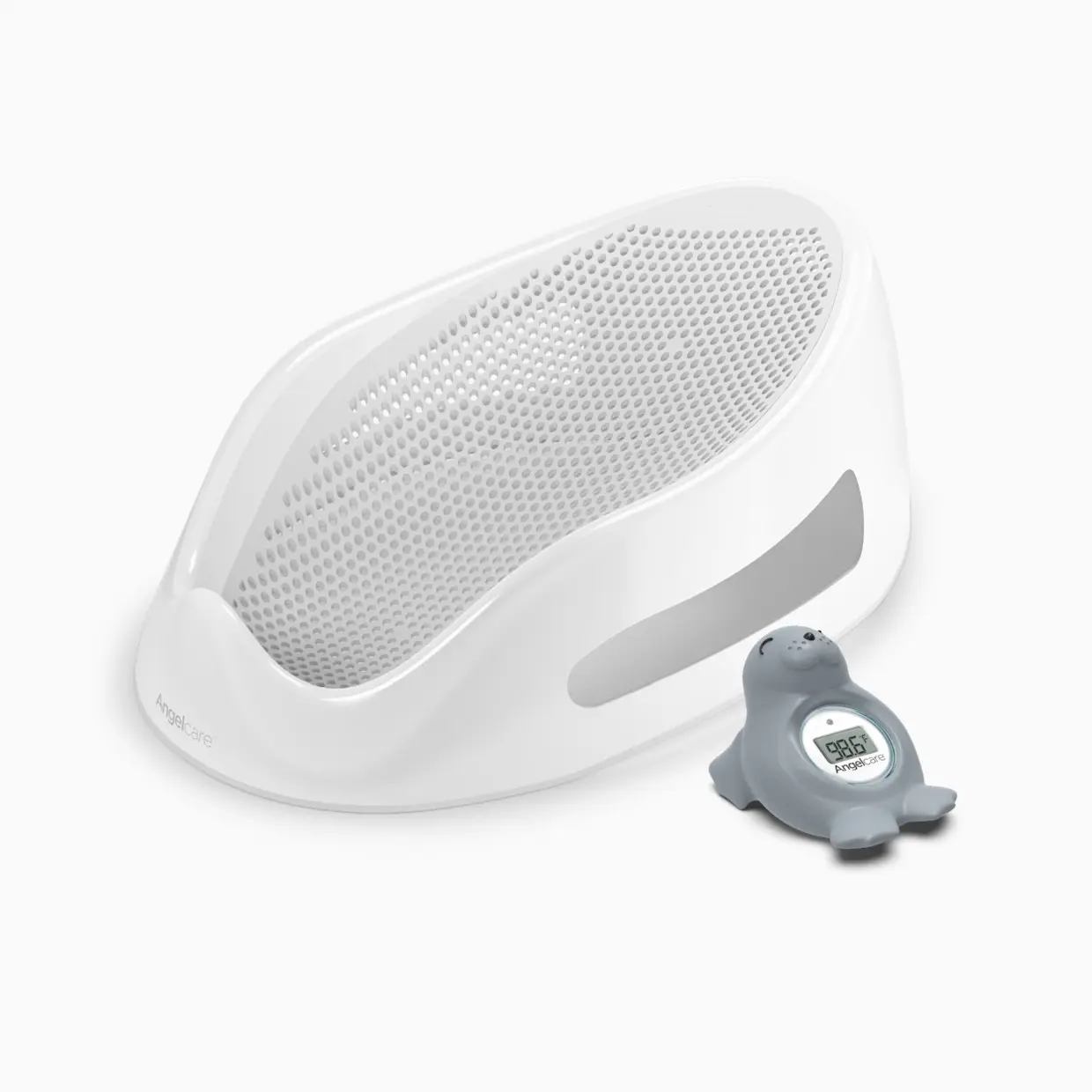
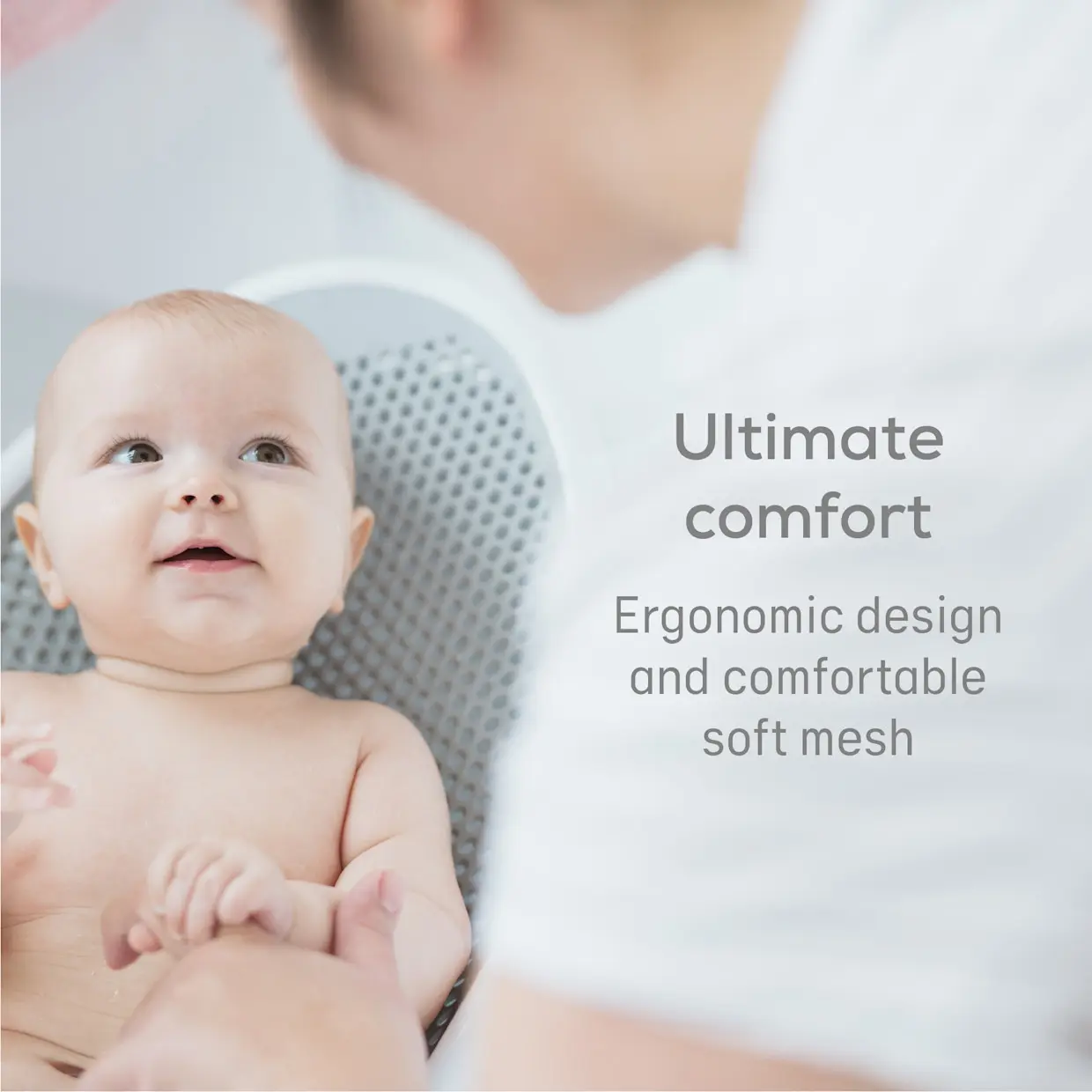
- Best for: Giving newborns and young babies more support at bath time
- Popular brands: Angelcare, Skip Hop, Frida Baby, Stokke
- What to look for: Good newborn support, non-slip surfaces, easy drainage and cleaning, storage and whether the tub adapts as baby grows
Bathing a newborn can feel surprisingly awkward when you’re trying to support a tiny, slippery baby and wash them at the same time. A supportive baby tub or bath insert creates a smaller, more manageable space and can help keep baby in a comfortable position while you take care of the actual washing.
There are several ways to go depending on your bathroom. Some supports sit directly inside a standard bathtub, while standalone and collapsible tubs work well if you want something self-contained or easier to store. Built-in thermometers and temperature indicators can also be convenient extras, especially during those first baths when you’re still second-guessing the water.
Worth knowing: A supportive tub makes bath time easier, but it doesn’t replace hands-on supervision. Keep baby within arm’s reach throughout the bath and have everything you need ready before you start.
What to Look for When Building a Baby Registry
Start With What You’ll Use From Day One
It’s tempting to begin with toys, nursery decor and tiny outfits, but start with the practical categories first: a safe place to sleep, a car seat, diapers and changing supplies, feeding essentials and clothing.
Babylist’s own checklist divides registry planning across feeding, sleep, diapering, clothing, baby gear, bath and other everyday categories, which is a helpful way to make sure you haven’t forgotten an entire part of your routine.
Don’t Buy Too Much of One Thing
This is especially important for bottles, pacifiers and newborn clothing.
Your baby may love the bottle everyone told you to buy—or refuse it completely. They may fit newborn clothes for weeks or barely wear them. Start with enough to get through the first few days and add more once you know what works.
Register for Different Price Points
Not every guest wants to buy a $550 stroller, and not everyone wants to show up with a pack of burp cloths.
A useful registry should include a good mix of price points: bottles and pajamas at the lower end, bath products and smaller baby gear in the middle, and larger purchases like car seats, bassinets, bouncers and strollers for anyone who wants to contribute more. Giving people options also makes your registry feel less like a shopping list and more like a helpful guide to what you’ll actually use.
Think Past the Newborn Stage
Newborn products get most of the attention, but your registry can save you money several months later too.
Consider adding larger clothing sizes, a high chair, feeding accessories, a convertible car seat or other things you know you’ll eventually need. Babylist’s checklist includes products for beyond the first few weeks rather than treating the registry as a newborn-only shopping list.
Keep Everything in One Place
This is probably the biggest advantage of using Babylist. Its universal registry lets you add products from Babylist itself as well as products sold elsewhere, including major retailers and smaller shops.
That means the stroller you want doesn’t have to come from the same retailer as your pajamas, bottles or nursery decor. Guests still see everything together on one registry.
Frequently Asked Questions
What should I put on my baby registry?
Start with the things you’ll need regularly: a safe sleep space, car seat, feeding supplies, diapers and changing essentials, basic clothing, bath products and some form of stroller or carrier. Once those are covered, you can add toys, nursery accessories and other nice-to-have items.
How many items should I put on a baby registry?
There’s no perfect number. The better approach is to cover each major category and provide guests with a good mix of price points. How much you need will also depend on whether this is your first baby and what you already own or plan to buy yourself.
How many newborn clothes should I register for?
Keep the newborn pile relatively small. Babylist’s current checklist suggests around five to ten bodysuits and four footies, but it’s smart to spread clothing across several sizes rather than buying everything in newborn.
Should I put expensive items on my baby registry?
Yes. There’s nothing wrong with adding your stroller, car seat or bassinet. Larger products can help friends and family understand which specific model you want, even if you ultimately purchase it yourself. They can also work well as gifts from several family members together.
Is Babylist only for products sold by Babylist?
No. Babylist is a universal registry, which means you can add products from virtually any retailer to the same list. That’s one of its biggest differences from a traditional store-specific registry.
Final Thoughts
Building a baby registry doesn’t have to mean adding every gadget marketed to new parents. Start with the things you’re most likely to use every day—a safe place for baby to sleep, a way to get around, comfortable clothing, feeding supplies and a few products that make the daily routine easier—and build from there.
What we like about Babylist is the flexibility. You’re not limited to one retailer, so you can keep the Graco convertible car seat you’ve been researching next to Kyte Baby pajamas, a Mockingbird stroller and something as practical as a box of bottles. Everything stays together, while you still get to choose the products that make the most sense for your family.
A few of the products on this list also have the advantage of lasting beyond the newborn stage, from a convertible car seat and single-to-double stroller to a bouncer that becomes a toddler chair. That can make a big difference when you’re deciding which larger items are actually worth giving space on your registry.
The best registry isn’t necessarily the longest one. It’s the one that helps you feel prepared for those first few months while also thinking a little further ahead.
Ready to start your list? Build your baby registry with Babylist.
Thank you for taking the time to read this post. Stay tuned for more updates!