WELCOME TO EVERYDAY STYLE MADE SIMPLE
ClassPass Review 2026: Credits, Classes, and Is It Worth It?
By Retail Verdict Editorial · Last Updated October 2026
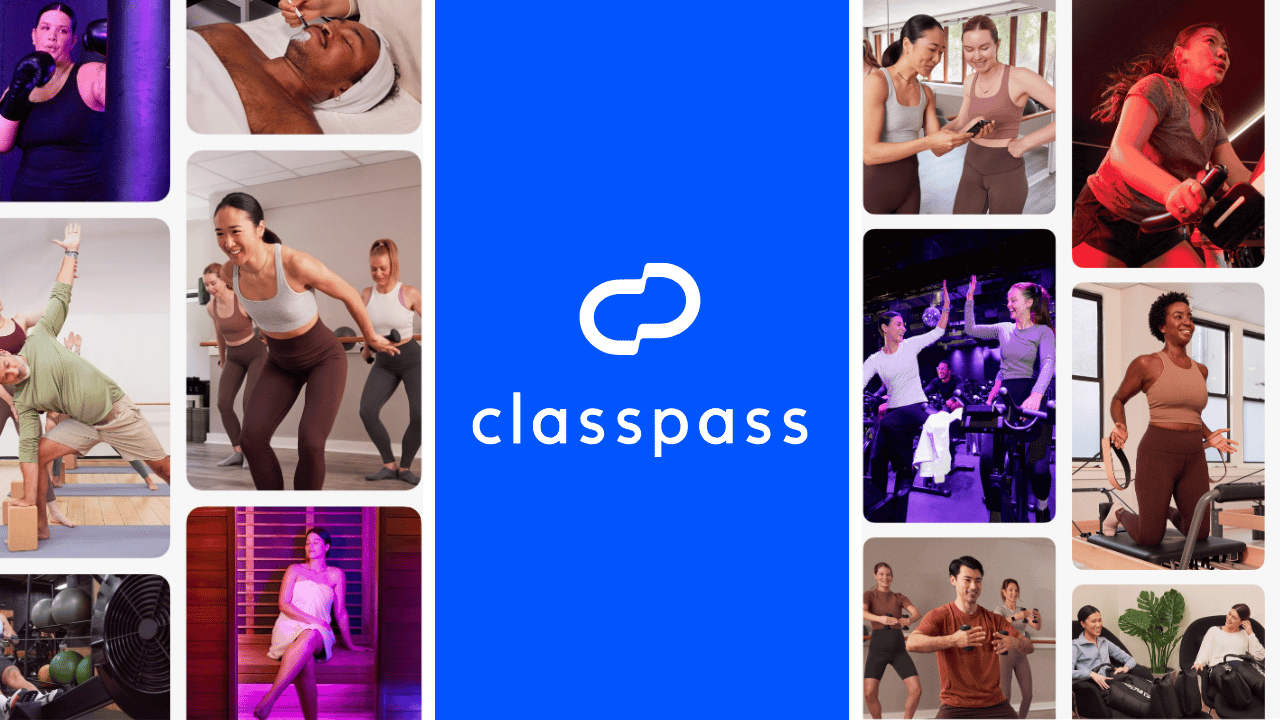
ClassPass is a credit-based membership that grants you access to thousands of studios, gyms, salons, and spas near you, all booked through one app. This ClassPass review walks through what the platform actually is, how the credit model works, what you can book across fitness and wellness, our picks in each category, what members say once the honeymoon ends, the discounts that matter, and where you are better off going straight to a studio instead.
We will cover the brand’s origins, its 2021 move under Mindbody, the credit rollover rules, on-demand video access, corporate wellness routes, and the very real city-by-city catch that decides whether the subscription is worth your money.
Who Is ClassPass?
ClassPass is a credit-based membership that grants you access to thousands of studios, gyms, salons, and spas near you. Your plan includes a set number of credits each month, which you use to book classes and appointments through one app.
The company was founded in 2013 by Payal Kadakia and Sanjiv Sanghavi in New York City, grew out of an earlier project called Classtivity, and pivoted to the current credit model in 2016. In 2021, it was acquired by Mindbody in a deal that valued it at over $1 billion, and both brands, along with Booker, now sit under a parent identity called Playlist.
ClassPass now spans 88,000+ businesses across 31 countries, and Fritz Lanman is CEO. It offers an affordable way to explore fitness studios, gyms, spas, and salons at discounted rates, and the catalogue has expanded well past fitness into wellness appointments, beauty services, and, in some markets, food and beverage.
Highlights
- Credit-based membership with monthly plans sized from light to heavy usage
- Access to thousands of studios, gyms, salons, and spas near you inside one subscription
- Unused credits roll over up to your next month’s plan size
- On-demand and livestream workouts included through the app’s video library
- Travel between cities on the same membership, no add-on fee
- Corporate wellness access through many employer benefit programs
- Free trial for new members at little to no cost: visit select fitness studios and gyms one time each
- Everything is booked, managed, and cancelled through the ClassPass app
Why We Like ClassPass
Three real reasons this subscription earns its place. The first is discovery. Wanting to try Pilates, boxing, rowing, or a niche recovery treatment without paying for a full studio membership just to find out you do not like it goes from a $200 experiment to a few credits, and members routinely find a workout they stick with through the app.
The second is wellness. Massages, facials, cryotherapy, saunas, acupuncture, and salon services all sit inside the same subscription, often at a credit price that beats walk-in retail. The third is travel: one membership works across every ClassPass market, so a plan you already pay for in Toronto is also a plan in London or New York.
Add the corporate benefit route (many employers subsidize ClassPass, so check with HR first) and the flexibility to build a routine around it, revisit favorite spots, roll credits over, book spa and salon appointments, and, in some markets, order meals through partner restaurants, and you have the mix that keeps people subscribed past month one.
How ClassPass Credits Work, Explained
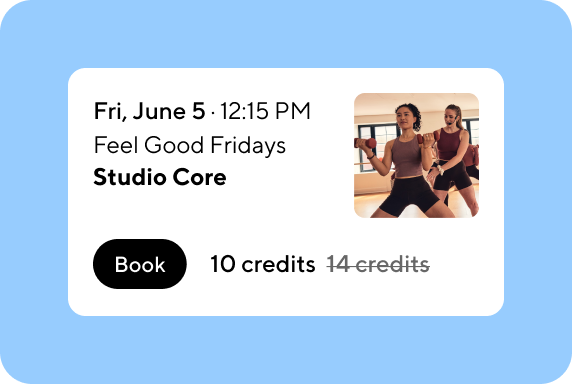
Your plan includes credits to book classes and appointments, and the number needed varies by reservation type, location, popularity, and time. A few practical details worth knowing before you sign up:
- Plans are sized by credits, not classes. Small plans start around 6 credits a month, mid-tier plans cluster at 25 to 45, and heavier plans push into the 70s or 80s and above. The plan resets each billing cycle.
- Credit costs per booking vary. A weeknight boutique cycling class at peak time can cost several times an off-peak yoga class, and premium spa or recovery bookings sit higher again.
- Rollover is capped at your next plan size. Unused credits roll into the next cycle up to a ceiling equal to your current plan. Anything above that cap is lost.
- You can top up mid-month. If you run out, ClassPass sells add-on credit packs at a standard rate.
- Late cancels and no-shows carry fees. Cancel outside the studio’s window (often 12 hours before class) and you pay a late-cancel charge on top of the credits. No-shows cost more. Fees vary by market.
- On-demand and livestream video is included. Every active membership gets the in-app video library and livestreamed classes, no credits burned.
- Travel and guest passes are baked in. One membership works in every ClassPass city, and members can bring friends on guest passes for select classes.
What a ClassPass Membership Actually Includes
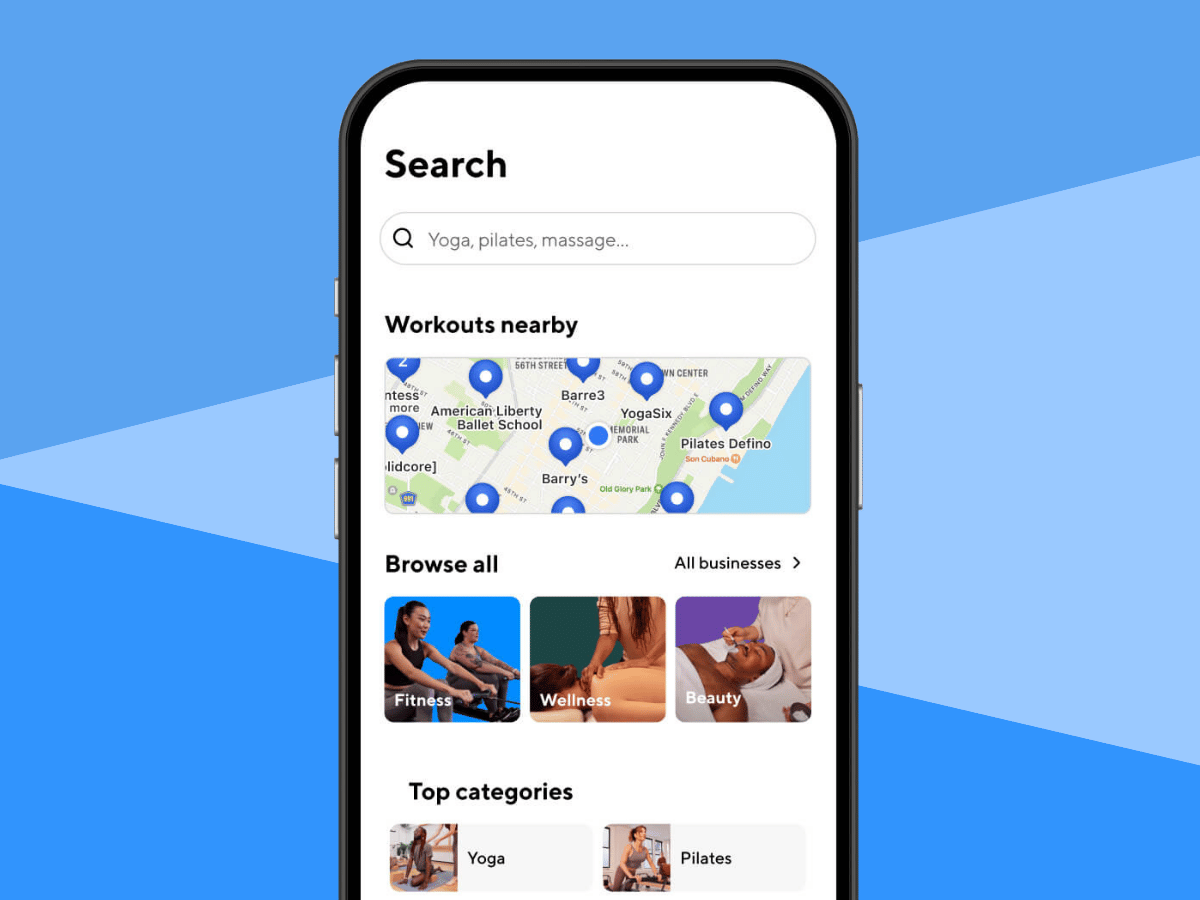
ClassPass is a credit-based fitness and wellness app that puts thousands of studios, gyms, salons, and spas into one subscription.
When you sign up, you pick a monthly plan sized by credits, and use those credits to book classes, gym time, spa appointments, and salon services through the app. The number of credits per booking varies by reservation type, location, popularity, and time.
The app pulls together boutique fitness classes, drop-in gym access, wellness treatments like massage and cryotherapy, and beauty services like facials and blowouts. You can also stream workouts on demand or livestream classes with no credits burned.
One-off top-up credit packs are available if you run out mid-month, and unused credits roll over into the next cycle up to a cap.
Overall, ClassPass is designed for people who want flexibility across many studios rather than commitment to one.
One App, Every Type of Workout
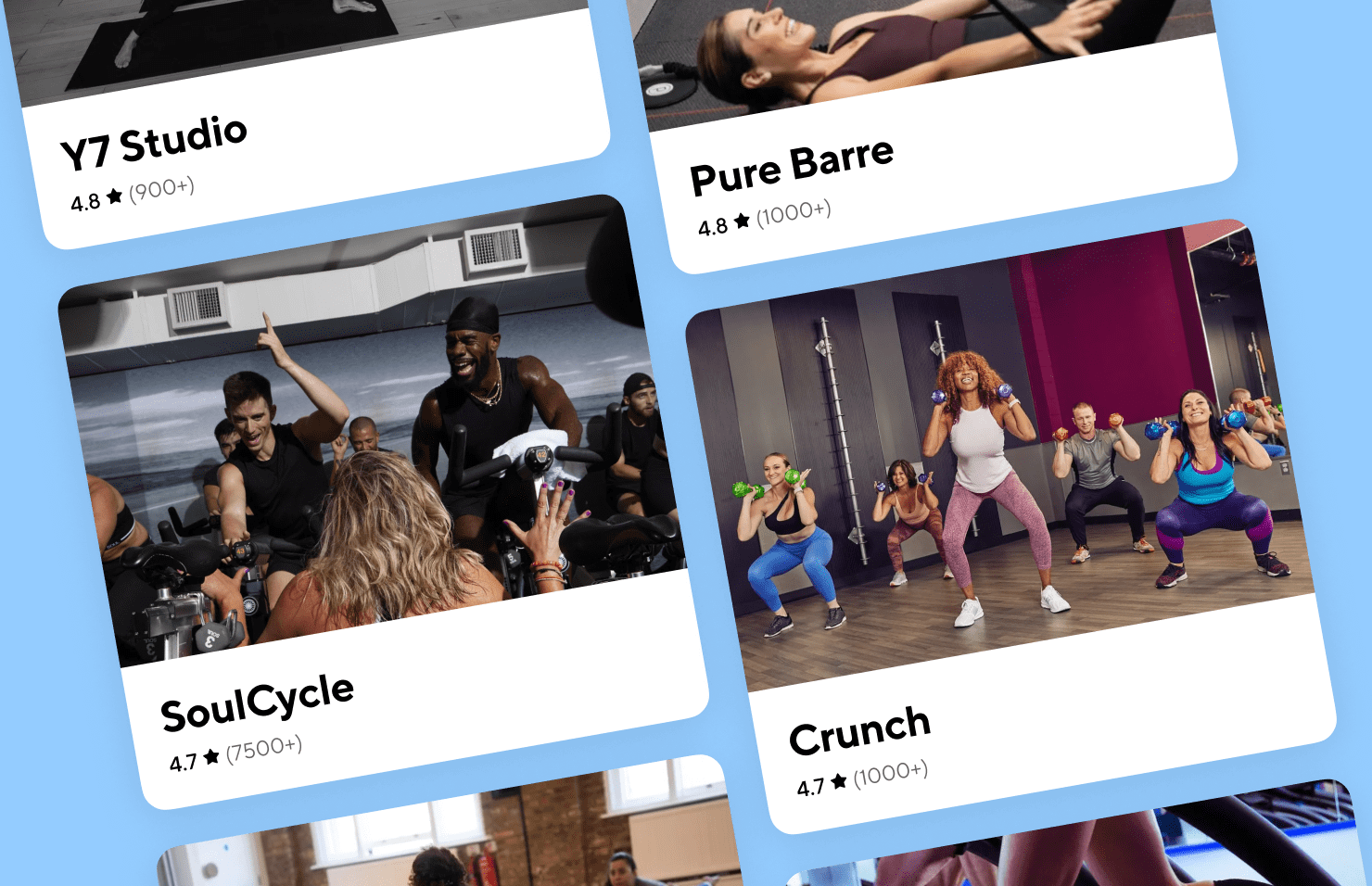
Good for: People who want variety without juggling multiple memberships
What it looks like: Boutique classes across dozens of formats
Credit cost: Roughly 3 to 15 credits per class
Committing to one studio can get expensive and repetitive.
ClassPass lets you book yoga at one studio, Pilates at another, and boxing across town, all through the same app. Filter by workout type, class length, time of day, distance, or credit cost to narrow it down.
If you have ever wanted to test a workout style before committing, this is the model that pays back. A niche class you would never have signed up for on your own becomes a few credits instead of a full membership.
The catch is that class inventory depends on your city. Dense markets are deep, smaller ones can feel repetitive after a few weeks.
Recovery and Wellness Inside the Same Plan

Good for: People who already spend on massage, spa, or recovery
What it looks like: Massage, cryotherapy, sauna, red light, acupuncture, and stretch sessions
Credit cost: Higher than most classes, often 8 to 20 credits
Recovery bookings are where a lot of members quietly get the most value.
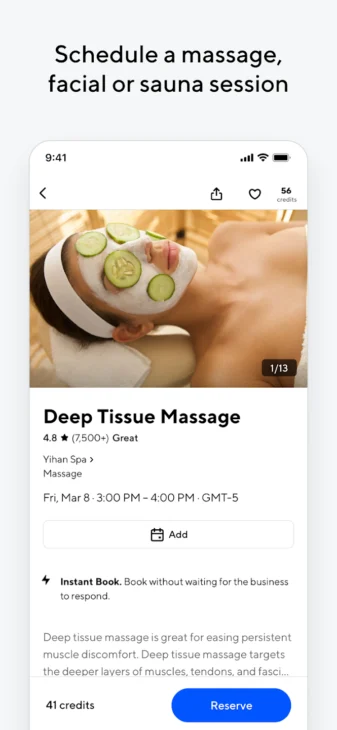
Massages, facials, cryotherapy, infrared saunas, and acupuncture all sit inside the same subscription as your workouts. If you already book any of these at retail, the credit price often beats walking in.
Studio pages inside the app include photos, service menus, and member reviews, which matters more for wellness than for a class you could try once and drop.
Wellness partners release fewer slots than fitness studios, so book a week ahead for weekends.
A Membership That Travels With You
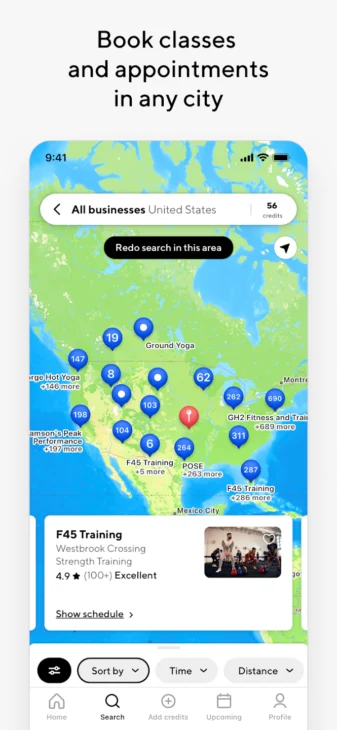
Good for: Frequent travelers or people who split time between cities
What it looks like: One membership, every ClassPass market
Credit cost: No add-on fee to use in another city
Most gym memberships die at the city line. ClassPass does not.
The same plan works across every ClassPass market, spanning 88,000+ businesses across 31 countries. Switch your home city inside the app and browse a different market before you travel.
For anyone who travels for work or splits time between cities, this alone can justify the subscription.
Booking, Waitlists, and Studio Reviews
Good for: People who like knowing what they are walking into
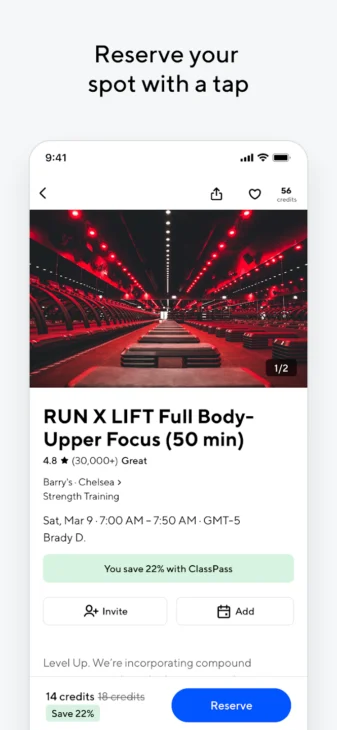
What it looks like: In-app filters, studio pages, member reviews, and waitlists
Time commitment: A minute or two per booking
The booking experience is where a good app quietly earns loyalty.
Every studio has its own page with photos, class descriptions, instructor bios, amenities like showers and parking, and star ratings from other members. You rarely walk in blind.
Popular classes fill fast, but you can waitlist and get auto-booked if a spot opens. Bookings sync to Apple, Google, or Outlook calendars, and cancelling inside the studio’s window releases the credit back to your balance.
Cancel too late or no-show, and you pay a fee on top of the credit cost.
Salon, Beauty, and Extras on the Side
Good for: People with an existing salon routine or curious about new categories
What it looks like: Facials, blowouts, manicures, waxing, and in some cities meals or co-working
Credit cost: Varies widely by service and market
The catalogue keeps expanding beyond fitness.
Partner salons offer facials, blowouts, manicures, pedicures, waxing, brow, and lash services, often using ClassPass to fill mid-week slots at a lower credit price than walk-in retail. In some markets, credits also book pickleball courts, co-working space, or meals from partner restaurants.
Coverage depends on your city. If your local catalogue is deep, these extras can quietly replace things you already pay for elsewhere.
Building a Routine That Actually Sticks

Good for: People who want structure without commitment
What it looks like: Favorites, credit rollover, calendar view, and community features
Time commitment: Set up once, run on autopilot
The app is designed to be reused, not just downloaded.
Favorite the studios and instructors you like so they show up first next time. Roll unused credits into next month up to your plan size. Use the community features to see what workout buddies are booking, or follow instructors across studios.
The goal is a routine you actually keep, not a subscription you forget you have. Match your plan size to real weekly usage, revisit favorite spots, and book across categories to spread the value.
Who Is ClassPass For?

ClassPass is built for members who want flexibility across their whole wellness routine. Variety seekers, people who want to test a workout style before committing to a studio, and anyone who likes keeping massage or cryotherapy inside the same wellness budget as their yoga class all get real value from the model.
It shines in dense urban markets, where the partner list is deep enough that credits go somewhere new every week. Frequent travelers get even more out of it, since the same membership follows them city to city with no add-on fee. And members with a corporate wellness benefit are getting a very different deal from the sticker price.
It also gives you room to move. Memberships are month to month, plans are easy to switch, and you are never locked into one studio’s culture, schedule, or price hikes. That flexibility is a big part of why members stick with it.
Who It’s Not For
If you already have a single studio you love and only ever plan to visit that one place, a direct membership there may be the simpler pick. ClassPass really rewards members who like to move between studios and explore, so if variety is not part of your routine, you may not see the same value.
The credit pricing does flex with demand, so the same class can cost fewer credits at off-peak times and more at peak hours. That works in your favour when you book smart, but if you prefer a flat, predictable price every time, a direct membership can feel more straightforward. Same goes for anyone who wants unlimited access to one specific premium studio: dedicated single-studio regulars will usually get more mileage from a direct pass. For everyone else, ClassPass’s mix of variety, wellness, and travel access is where it earns its keep.
What Customers Think
ClassPass receives strong reviews from members who love the flexibility, the variety, and how easy it makes trying new things. Customers often praise the freedom of booking across many studios, the ease of adding wellness and spa treatments to the same subscription, and how well the app travels with them city to city.
On the Apple App Store, ClassPass ranks consistently among the top health and fitness apps, with reviewers highlighting the booking flow, the studio variety, and the discovery factor. Wellness bookings, especially massages and cryotherapy, come up often as the reason members stay subscribed month after month. Corporate-benefit users tend to be the most enthusiastic of all.
Across review platforms, feedback centres on the value of one subscription unlocking so many experiences. The most common critique is credit pricing at peak times, though members who book off-peak or plan a week ahead generally have a smooth experience.
Overall, ClassPass’s strength lies in variety, wellness access, and travel flexibility, with a well-rated app and a member base that keeps coming back.
Is ClassPass Worth It?
For most members, absolutely. ClassPass shines in cities like New York, Los Angeles, London, Toronto, Sydney, and Chicago, where the partner list is deep, off-peak credit costs stay reasonable, and you can build a full fitness and wellness routine inside one subscription. If your employer subsidizes it, the value gets even better.
In mid-size cities, it is still well worth exploring. The catalogue keeps growing, so it is worth checking the inventory in your ZIP to see the studios, spas, and salons already on board. In smaller markets the mix will be more limited, but the free trial lets you see exactly what is available before you commit to anything.
Our ClassPass review finds the platform genuinely strong for variety seekers, urban members, travelers, and anyone with a corporate wellness benefit. If you fit any of those, the free trial is an easy yes.
How to Save on ClassPass
- Take the free trial. New members can try ClassPass at little to no cost, with access to select fitness studios and gyms one time each. Cancel anytime.
- Match your plan to real usage. Most people sign up one size too big. Downgrade after your first full month.
- Book off-peak. The same class often costs fewer credits early morning, mid-day, or late evening.
- Check corporate benefits. Many employers, and programs like Wellhub, subsidize ClassPass. The single biggest saving if you qualify.
- Watch for referral credits. Existing members get referral offers, and promotional pricing runs periodically.
- Let credits roll over. Rollover is capped at your next plan size, so use excess capacity rather than losing it.
FAQ
How much does ClassPass cost per month?
Pricing varies by market and plan size. Plans are sold in credit tiers (a small plan of around 6 credits at the low end, mid-tier plans in the 25 to 45 range, heavier plans in the 70s and up). Enter your ZIP on classpass.com to see current pricing in your market.
How do ClassPass credits work?
Your plan includes credits you use to book classes and appointments. The number needed varies by reservation type, location, popularity, and time. Unused credits roll into the next cycle up to a cap equal to your current plan size. You can buy add-on credit packs mid-month if you run out.
Can I cancel ClassPass anytime?
Yes. Memberships are month to month, and you can cancel or pause through the app or website at any time. The same goes for the free trial: cancel anytime before it ends. Cancelling stops the next billing cycle, and any credits already purchased stay usable until it ends.
Does ClassPass work in my city?
ClassPass covers 88,000+ businesses across 31 countries. Coverage varies dramatically city by city, so check the classpass.com studio finder for your ZIP before signing up. Dense urban markets are strong, mid-size cities are mixed, and smaller markets can be thin.
Is ClassPass cheaper than a gym membership?
Sometimes. If you want variety across studios, or you mix fitness with wellness, spa, and salon bookings, ClassPass typically beats stringing together separate memberships. If you only ever visit one studio, a direct membership is almost always cheaper.
The Bottom Line
ClassPass earns its price where the catalogue in your city is deep enough to actually use it: variety, wellness bookings, travel-friendly access, and, for many members, a corporate benefit that quietly changes the math. Match your plan to real weekly usage and check your ZIP’s inventory before you commit. Take the free trial, use it honestly for a month, then pick your tier from what you actually did rather than what you meant to do. For more honest brand breakdowns, keep exploring the latest reviews on Retail Verdict.
Thank you for taking the time to read this post. Stay tuned for more updates!